




Table of Contents
The landscape of short-term vacation rentals has evolved dramatically over the last decade. Modern travelers no longer seek standard hotel rooms; they crave unique, immersive, and highly memorable experiences. For property investors and hospitality entrepreneurs, this shift presents a lucrative opportunity. However, capitalizing on this trend requires strategic decision-making regarding property development, capital expenditure, and operational efficiency. The ultimate goal is maximizing your financial yield while delivering exceptional guest satisfaction. This is precisely where Expandable Container Houses emerge as the most disruptive and profitable asset class in the modern hospitality market.
In this comprehensive guide, we will dissect the financial and operational mechanics of launching a successful short-term rental business, exploring why modular architectural innovations are rapidly outpacing conventional building methods.
Redefining Return on Investment in Hospitality
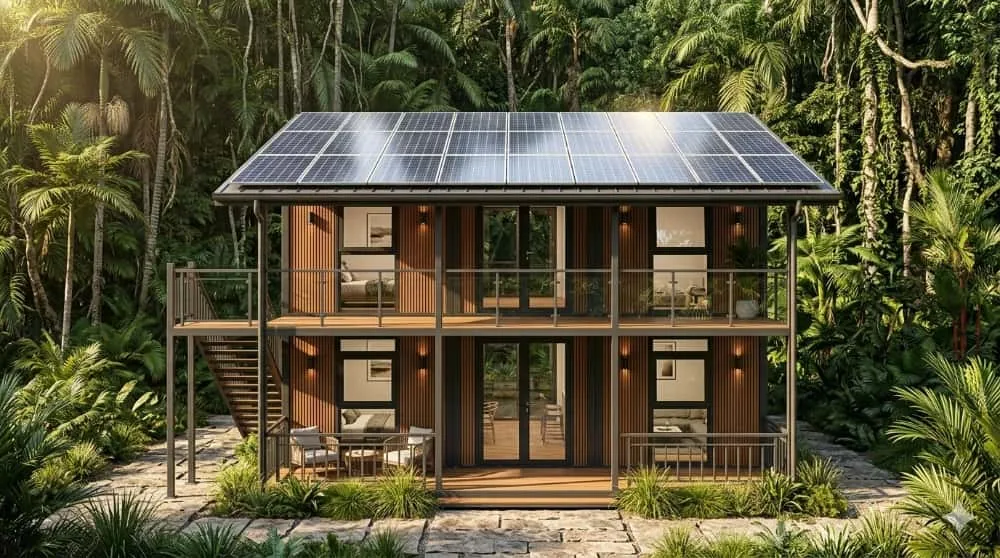
When evaluating any property venture, the foundational metric that dictates success or failure is ROI. In the realm of vacation lettings, calculating this yield goes far beyond simply subtracting operational costs from nightly rates. True financial efficiency must account for the initial capital layout, the time required to bring the asset to market, and the long-term maintenance overhead.
The traditional path to launching a nature retreat or a boutique resort usually involves purchasing land and hiring contractors to construct standard lodging. While this approach has worked historically, it is fraught with hidden costs. Every month spent in the construction phase is a month of zero revenue generation. Furthermore, conventional building sites are vulnerable to supply chain disruptions, labor shortages, and unpredictable weather conditions—all of which inflate the baseline budget and drastically delay the break-even point.
Modular living spaces flip this economic model upside down. It is important to note that these structures are designed for direct purchase rather than lease. Because the manufacturer does not support leasing services, your capital goes directly into an outright acquisition. By shifting the bulk of the construction process to a controlled factory environment, property developers can accurately forecast their expenditure down to the final cent for this permanent asset. There are no surprise contractor fees, no material waste on-site, and most crucially, a significantly accelerated timeline to revenue generation.
Conventional Construction vs. Instant Deployment
To truly understand the financial disparity between conventional methods and modern modular solutions, we must critically analyze the time cost of property development.
Building traditional wooden cabins typically involves a grueling timeline. First, there is the architectural design and approval phase, which can span several months. Following this, site preparation, foundation laying, framing, roofing, plumbing, and electrical installations take place sequentially. In a best-case scenario, constructing a standard timber lodge takes between four to eight months. During this entire period, the investor is bleeding capital through loan interest, holding costs, and property taxes, all without welcoming a single paying guest. The opportunity cost—the revenue lost while the property sits under construction—can amount to tens of thousands of dollars.
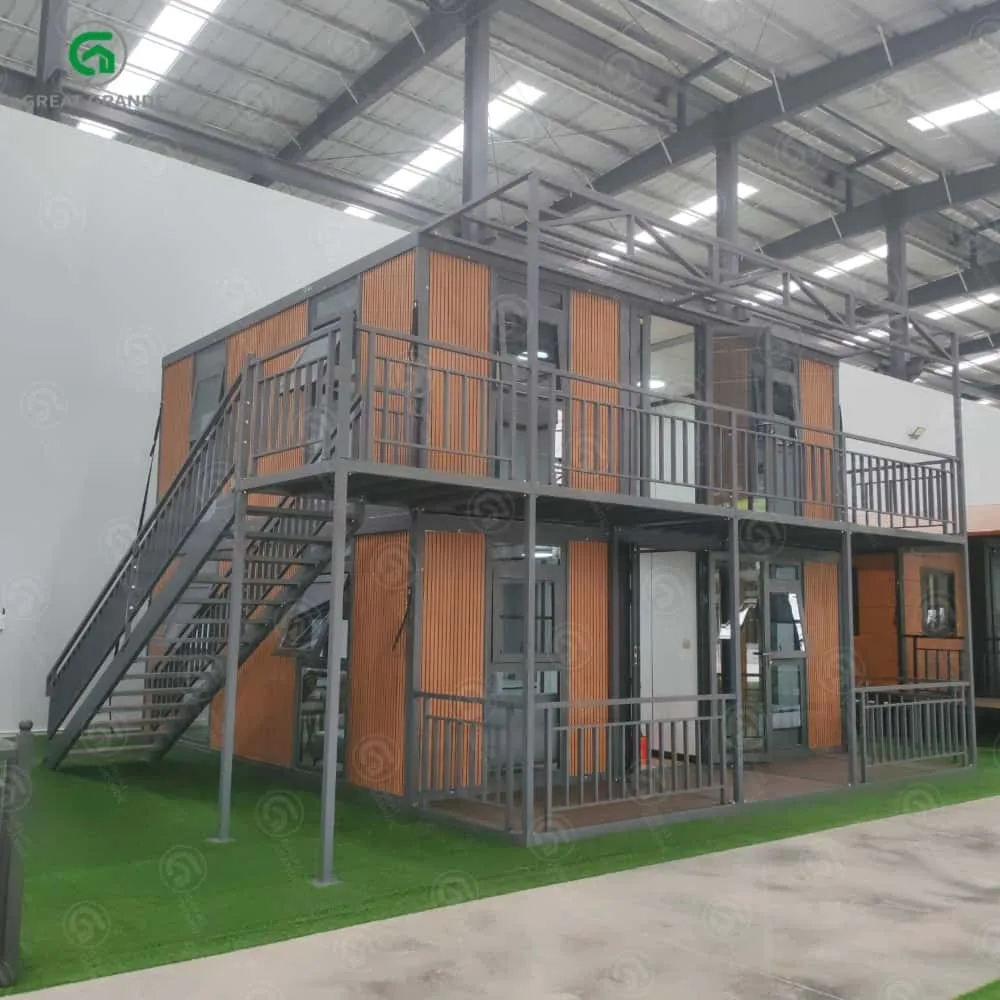
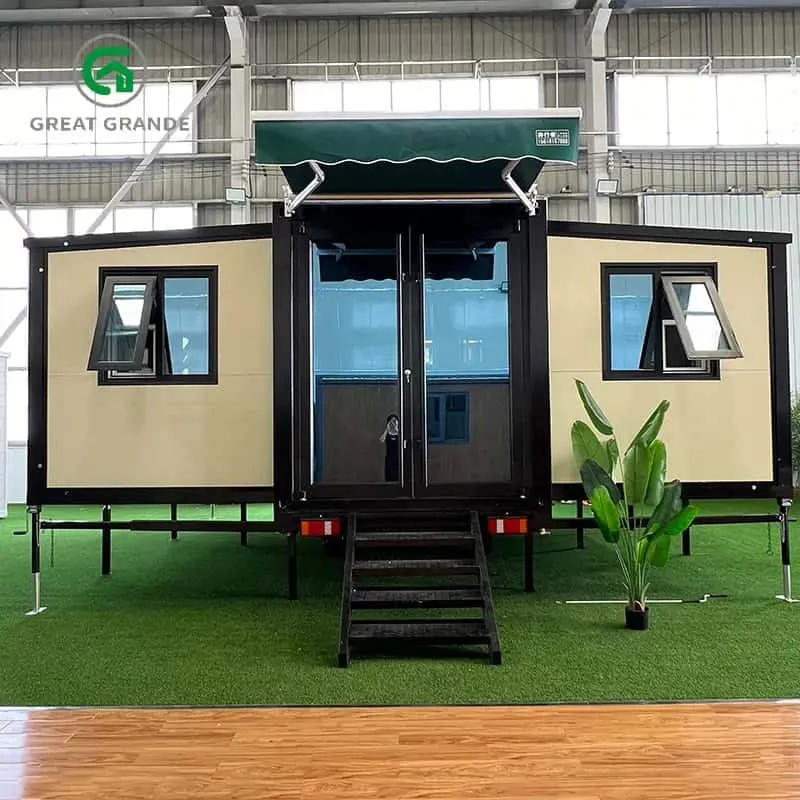
Now, consider the revolutionary alternative provided by industry innovators like Grande House. Instead of a protracted, multi-month building saga, these cutting-edge modular dwellings are delivered to your site pre-fabricated and meticulously finished. The core advantage here is unprecedented speed: these units can be fully deployed, connected to utilities, and ready for commercial operation in literally a single day.
Imagine securing a piece of scenic land on a Monday, taking delivery of your accommodation unit on a Wednesday, and welcoming your first paying guests by the weekend. This “instant hotel” capability completely eradicates the pre-revenue holding period. By compressing an eight-month construction cycle into a 24-hour setup, investors can start recouping their initial outlay almost immediately, accelerating the path to profitability by a staggering margin.
Comparative Analysis: Setup Timelines and Opportunity Costs
To illustrate the stark contrast, the following table breaks down the typical timeline and associated financial impacts of both approaches.
| Development Phase | Conventional Timber Lodge | Foldable Modular Dwelling | Financial Impact / Opportunity Cost |
|---|---|---|---|
| Design & Engineering | 4 – 8 Weeks | Pre-engineered / 0 Weeks | Saves high architectural consulting fees. |
| Site Preparation | 2 – 4 Weeks | 1 – 3 Days (Minimal footprint) | Eliminates the need for heavy machinery services. |
| Construction / Setup | 12 – 24 Weeks | 1 Day (24 Hours) | Eliminates months of lost operational revenue. |
| Interior Finishing | 3 – 6 Weeks | Factory-finished (Included) | Avoids delays caused by specialized tradesmen. |
| Total Time to Market | 5 – 9 Months | Under 1 Week | Massive acceleration of cash flow. |
Achieving the Rustic Aesthetic with Superior Materials
While the financial and temporal advantages of modular setups are undeniable, the aesthetic appeal of the property remains paramount for attracting bookings on major hosting platforms like Airbnb. Guests flock to nature-centric destinations seeking the cozy, rustic charm associated with classic log retreats. They want the visual warmth of timber, the seamless integration with nature, and a photogenic exterior that looks exceptional on social media.
However, from an owner’s perspective, organic wood presents significant long-term liabilities. Natural timber is highly susceptible to the elements. It requires rigorous, ongoing maintenance to protect against moisture intrusion, wood rot, termite infestations, and UV degradation. Repainting, resealing, and replacing damaged logs can quickly devour a host’s profit margins and lead to mandatory downtime where the property cannot be rented out.
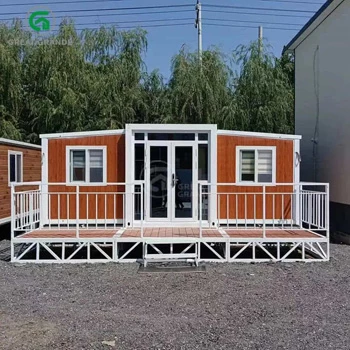
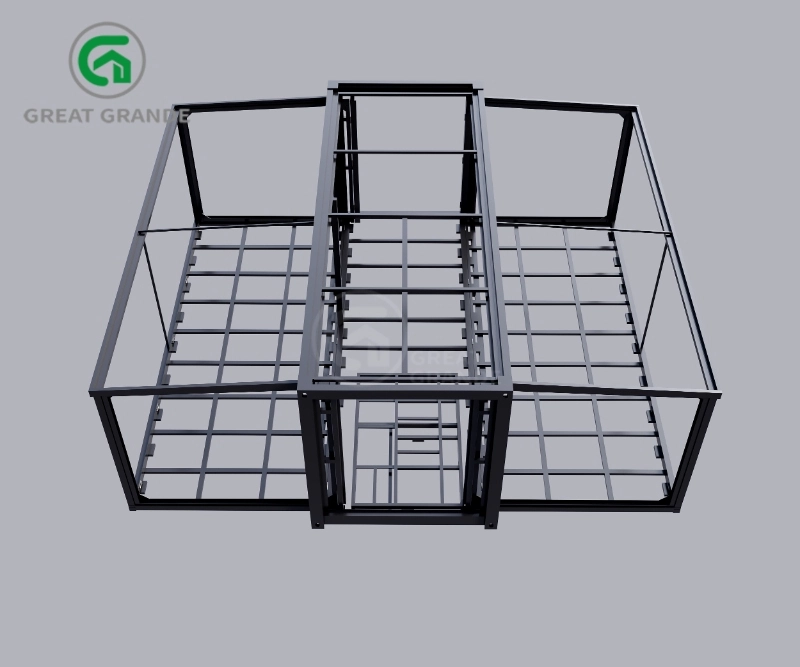
The breakthrough solution lies in material engineering. Advanced manufacturers can now meticulously replicate the highly sought-after aesthetic of a conventional forest lodge without relying on vulnerable organic materials. Instead, the structural integrity of these modern units is forged using galvanized steel frames.
By utilizing these zinc-coated metal skeletons as the core structure, the dwellings achieve an unparalleled level of strength and resilience. They can easily withstand extreme weather conditions, heavy snow loads, and high winds. More importantly, this metal framework is intrinsically waterproof and highly corrosion-resistant. When this indestructible core is paired with advanced exterior cladding that perfectly mimics the texture, grain, and warmth of natural wood, the result is the ultimate hospitality asset.
Guests experience the romantic, rustic ambiance they desire, while the property owner benefits from a virtually maintenance-free structure. You eliminate the risks of rot, mold, and pest damage, ensuring that the asset remains in pristine, rentable condition year after year, thereby safeguarding your long-term profit margins.
Material Lifecycle and Maintenance Comparison
| Feature | Organic Timber Construction | Zinc-Coated Metal Framework | Impact on Hospitality Operations |
|---|---|---|---|
| Structural Durability | Susceptible to settling, warping, and rot over time. | Exceptionally rigid; maintains structural integrity indefinitely. | Ensures safety and longevity of the investment property. |
| Weather Resistance | Requires constant sealing against rain and snow. | Inherently waterproof; unaffected by severe moisture exposure. | Prevents dampness, mold, and guest complaints. |
| Pest Vulnerability | High risk of termite and carpenter ant infestations. | 100% immune to biological pests and insects. | Eliminates expensive extermination fees and structural repairs. |
| Maintenance Burden | High (Annual staining, treating, and patching required). | Ultra-Low (Occasional exterior washing). | Maximizes property availability and operational uptime. |
| Lifespan | 20-40 years (with heavy upkeep). | 50+ years (with minimal intervention). | Superior long-term asset appreciation. |
Designing for the Modern Eco-Conscious Traveler
Beyond the structural mechanics and financial timelines, successful vacation lettings must cater to the evolving psychology of the modern consumer. Today’s travelers are increasingly eco-conscious. They actively seek out accommodations that minimize environmental impact.
Deploying Expandable Container Houses aligns perfectly with sustainable tourism trends. Traditional construction sites are notoriously disruptive to local ecosystems, involving heavy excavation, noise pollution, and significant material waste. In contrast, modular units are constructed in zero-waste factory environments. Furthermore, because they are delivered fully assembled, their installation requires minimal ground disturbance. They can be placed on light foundations or helical piers, leaving the surrounding flora and fauna virtually untouched.
This low-impact footprint is a powerful marketing tool. Highlighting the eco-friendly nature of your structure—combining the aesthetic of a classic cabin with the sustainability of modern engineering—significantly boosts your property’s appeal, driving higher occupancy rates and allowing for premium nightly pricing.
From Single Unit to Multi-Property Resort
For ambitious investors, the ultimate advantage of this approach is infinite scalability. Once you have successfully launched a single unit and established a profitable cash flow, expanding your portfolio becomes remarkably straightforward.
If you own a large plot of land, you do not need to embark on a massive, multi-year construction project to build a resort. You can start with one Grande House unit, generate revenue, and sequentially order additional units as demand dictates. Because the setup takes only a single day, adding new inventory to your hospitality business does not disrupt the guest experience of your existing bookings. You can organically grow a single listing into a sprawling eco-village or boutique glamping resort with surgical precision and minimal financial risk.
Conclusion
The hospitality industry is highly competitive, and success belongs to those who optimize both the guest experience and their operational overhead. By moving away from slow, expensive, and high-maintenance building methods, and embracing rapidly deployable, highly durable modular solutions built with galvanized steel frames, investors can unlock unprecedented profitability. You eliminate the opportunity cost of lengthy build times, significantly reduce ongoing maintenance, and offer guests the stunning, rustic aesthetics they love. For anyone looking to dominate the short-term market and achieve a rapid, reliable return on their capital, the shift towards these innovative architectural solutions is not just an option—it is the definitive strategy for the future.
About the Author
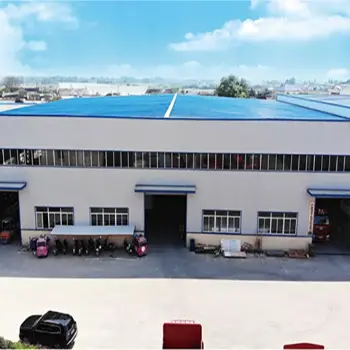
Grande Container House is a premier global provider of diverse expandable prefab houses, backed by numerous patented designs and an expert team of 10 R&D specialists. Operating a cutting-edge R&D center, robust factory production, and over three dedicated material storage facilities, we ensure exceptional supply chain management and product integrity. Equipped with top-tier manufacturing, safety, and transportation machinery, we are committed to maintaining unparalleled quality standards while fostering strong, cooperative relationships with clients worldwide.
Click to view our container house products:

FAQ
1. Will a modular unit made with a metal framework feel cold or industrial to guests expecting a cozy retreat?
Not at all. The underlying metal skeleton is strictly for structural superiority, weatherproofing, and longevity. The interior and exterior finishes are meticulously designed to mimic the exact aesthetic of traditional wooden cabins. Guests will experience the warmth, texture, and rustic charm of a classic lodge, completely unaware that the building is supported by ultra-durable, advanced engineering that protects it from rot and pests.
2. How exactly does a one-day setup process work, and do I need a massive construction crew?
The one-day deployment is achieved because the units arrive completely pre-fabricated, with interiors, plumbing, and electrical systems already integrated at the factory. Upon delivery to your land, a small, specialized team simply unfolds or expands the unit and secures it to your pre-prepared foundation (which can be as simple as concrete pads or helical piers). The final step involves plugging the unit into local utilities or off-grid systems. It eliminates the need for large, noisy construction crews and prolonged site disruption.
3. How does the long-term profitability of these expandable structures compare to standard stick-built properties?
The long-term profitability (or ROI) is significantly higher for two main reasons. First, you begin generating revenue almost immediately, saving months of lost income associated with conventional building timelines. Second, the advanced materials used in manufacturing drastically lower your OpEx (Operational Expenditure). You won’t face the recurring, expensive maintenance costs associated with treating natural wood, fixing weather damage, or dealing with structural settling, allowing you to keep a much larger percentage of your income as pure profit.
4. Do you offer container leasing services or manage the short-term vacation operations?
No. We focus exclusively on the direct manufacturing and sale of our premium structures. We do not provide unit leasing services, nor do we operate as a property management company. This business model ensures that when you purchase our structures, you own the asset outright. You act as the independent host, keeping 100% of the equity in your property and 100% of the profits generated from your guests.