





Table of Contents
With the rapid development of the global modular construction market, expandable container houses have become a hot product for overseas buyers. Whether used for residential housing, vacation camps, construction site dormitories, temporary offices, or off-grid living scenarios, buyers are no longer looking at price alone when choosing a manufacturer. What really matters is whether the product has long-term value and can be delivered stably across different climates, regulations, and transportation conditions.
To choose the right supplier, the core evaluation criteria come down to five aspects: insulation performance, product certifications, service life, housing materials, and interior utilities (electrical and plumbing). Only when all five are met can the house truly meet the comprehensive requirements for living, transportation, installation, and maintenance after delivery.
1.Insulation Performance: Thermal Insulation Determines Comfort and Energy Costs
Insulation performance is the first standard for judging whether an expandable container house is practical. Container houses are metal structures by nature. If the walls and roof are not properly insulated, they can easily become “like a steamer in summer and like an ice cellar in winter,” especially in tropical, desert, and cold regions, where the living experience can be extremely poor.
A professional insulation system should be evaluated from the following aspects:
- Wall core material: Whether stable insulation materials (such as rock wool, polyurethane, etc.) are used, rather than simple filling.
- Wall thickness and structure: The thickness, density, and connection method of sandwich panels directly affect insulation efficiency.
- Thermal bridge treatment: Whether thermal bridges are blocked at steel frames, window and door frames, and other areas to avoid localized heat/cold loss.
- Roof and floor insulation: Whether the roof has an insulation layer and whether the floor considers moisture-proof and cold-insulation measures.
- Overall sealing: Whether wall joints and window/door gaps are well sealed to reduce cold and hot air infiltration.
For buyers, good insulation not only means more comfortable living, but also lower air conditioning and heating energy consumption, making long-term operating costs more controllable. On the other hand, if the insulation design is unprofessional, higher electricity bills may be incurred in the later stage, and problems such as condensation and mold may occur, affecting the house lifespan.
2. Product Certifications: Certifications Determine Market Access
Product certifications are an important basis for measuring whether a manufacturer has export capabilities. For overseas customers, certifications not only relate to whether products meet local market requirements, but also affect project progress efficiency, logistics customs clearance, insurance, acceptance, and subsequent operations.
When choosing a manufacturer, buyers should focus on the following certification types:
- Structural certifications: Ensuring house structural safety, wind resistance, and seismic resistance.
- Fire protection certifications: Especially for wall, roof, and interior materials, whether they meet local fire rating requirements.
- Electrical safety certifications: Whether internal circuits, lighting, sockets, etc. comply with target market standards.
- Quality management system certifications: Whether the factory has stable quality control processes.
- Export adaptability: Whether the manufacturer is familiar with target market regulations and certification processes, and can provide complete technical data and compliance support.
A mature manufacturer will not only emphasize “can produce,” but also “can deliver, can comply, and can implement.” For overseas projects, missing certifications or unclear information often brings huge time and economic costs in the later stage.
3. Service Life: Lifespan Determines Whether the House Is an Asset or a Burden
Service life directly determines whether a house is a truly valuable asset. Many buyers initially focus more on procurement costs, but if the product structure is unstable, material weather resistance is poor, and maintenance is frequent, the overall investment will be higher.
When evaluating service life, the following aspects need to be examined:
- Structural lifespan: Whether the steel structure has been anti-rust treated and can withstand long-term transportation and multiple disassemblies.
- Material weather resistance: Whether exterior walls, roofs, windows, and doors have UV resistance, corrosion resistance, and aging resistance.
- Waterproof and moisture-proof design: Whether the roof, walls, and floor are waterproofed and moisture-proofed to avoid internal mold and rust.
- Maintenance frequency: What is the normal maintenance cycle and whether key components can be easily replaced.
- Design redundancy: Whether structural safety margins are sufficient and whether long-term use and multiple relocations are considered.
For overseas customers, the longer the service life, the higher the return on investment and the lower the project risk. A house that can truly be used for 10 years or longer is more valuable than a cheaper one that can only be used for a few years.
4. Housing Materials: Materials Determine Safety, Durability, and Maintenance Costs
Housing materials determine product safety, durability, and maintenance costs. For modular houses, materials are not just about appearance; they directly affect fire protection, corrosion resistance, moisture resistance, wind resistance, and transportation adaptability.
High-quality manufacturers usually make systematic configurations in the following key areas:
- Main structure: Whether galvanized steel structure is used and whether structural strength has been calculated and verified.
- Wall panel system: Sandwich panel material, fire rating, corrosion resistance, and whether it is suitable for the target market climate.
- Roof system: Whether the roof panel is waterproof, fireproof, and wind-resistant, and whether it is suitable for installation at different slopes.
- Window and door system: Whether broken bridge aluminum and double-layer hollow glass are used, and whether they have good sealing and weather resistance.
- Connectors and fasteners: Whether bolts, welds, and other details have been anti-rust treated.
Especially for export projects, houses must face different climates and transportation conditions, so material selection must balance strength, lightweight, and long-term stability. For overseas buyers, unscrupulous materials often mean higher maintenance costs and greater project risks in the later stage.
5. Interior Utilities: Internal Configuration Determines Whether the House Is Truly “Ready to Move In”
Interior utilities, especially electrical and plumbing systems, are important standards for judging whether a product is truly move-in ready. Many buyers tend to overlook this when viewing samples, but in actual use, details such as circuit layout, plumbing reserves, lighting systems, and kitchen and bathroom interfaces directly affect the living experience.
A mature expandable container house should consider the following in its interior configuration:
- Electrical system: Whether it is designed according to target market standards and whether enough sockets, switches, and lighting circuits are reserved.
- Plumbing system: Whether kitchens and bathrooms have complete water pipes, drainage, and waterproof treatment.
- Equipment reserves: Whether interfaces and positions for air conditioners, water heaters, and kitchen equipment are reserved.
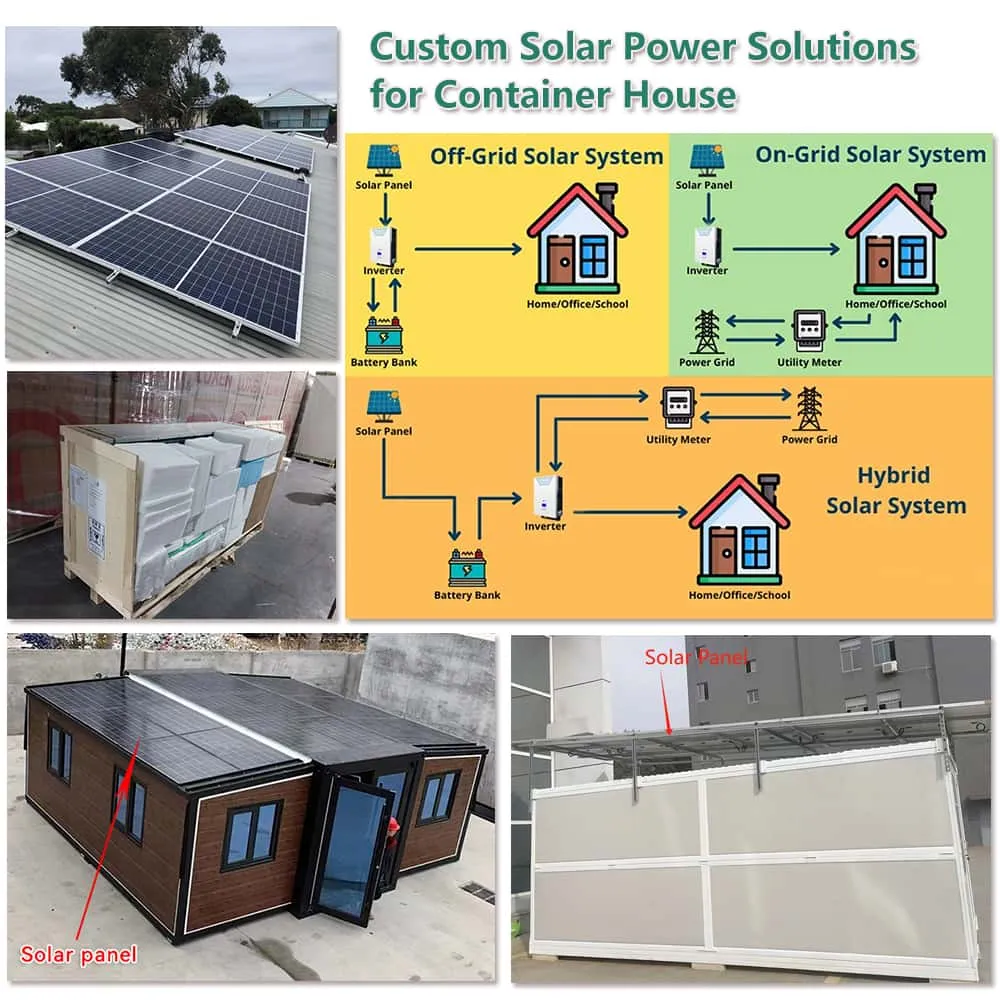
- Off-grid adaptability: Whether it supports solar power generation, battery storage, and other off-grid solutions, and whether it is easy to expand the energy system.
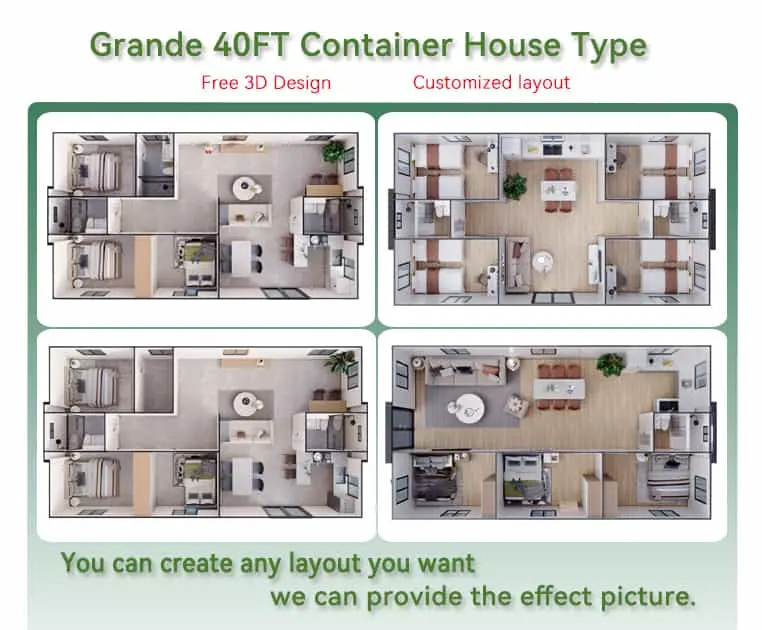
- Customizability: Whether the layout can be adjusted according to project needs, such as 1-bedroom, 2-bedroom, double-storey structures, etc.
For overseas customers, this point is especially important because it relates to whether subsequent secondary renovation is needed and the associated cost and time. A truly mature house should already have basic move-in conditions when leaving the factory, rather than requiring users to “make do.”
How Grande House Addresses These 5 Criteria
Among many expandable container house manufacturers, the manufacturers worth long-term cooperation are often not the ones that market the best, but those that can get insulation, certifications, durability, materials, and interior configuration all right. Grande House’s design thinking and product configuration are built around these five core criteria, directly addressing the key pain points of overseas buyers:
1. Insulation Performance: Overall Design Focused on Insulation and Energy Saving
Grande House products are designed around modular construction, quick installation, and off-grid living scenarios, emphasizing the coordination between wall systems and overall building performance, which indicates a mature design logic in terms of insulation and energy saving.
The product’s wall system, roof, and overall structure are not simply pieced together, but consider insulation and energy consumption as a whole.
For overseas buyers, this means better living comfort in different climates and lower air conditioning and heating costs.
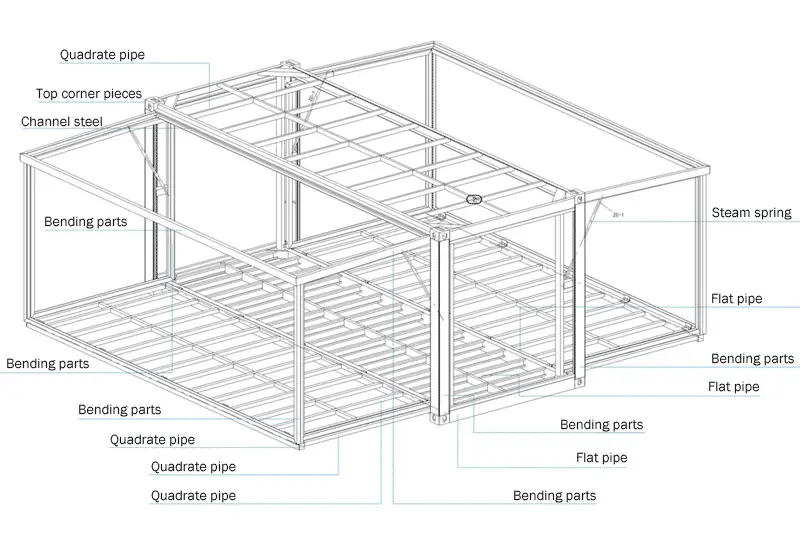


2. Product Certifications: CE Certification and Quality Management System
Grande House materials clearly state that its products have CE certification and the factory has passed relevant quality management system certifications, which is a crucial “entry ticket” in export markets.
CE certification means the product has basic compliance under relevant EU standards, helping it enter Europe and other markets that accept CE standards smoothly.
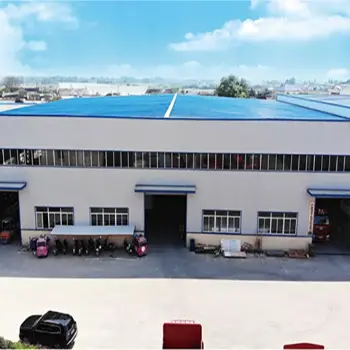
Quality management system certification indicates that the factory has relatively stable quality control processes, rather than a temporary assembly production model.
For overseas customers, this greatly reduces compliance risks in customs clearance, acceptance, and future operations.
3. Service Life: Steel Structure and Corrosion-Resistant Design Improve Durability
Grande House products emphasize steel structure, anti-corrosion wall panels, and fireproof materials in their structural design, which usually means better durability and environmental adaptability.
The steel structure main body itself has good strength and stability, and when combined with anti-rust and anti-corrosion treatment, it can significantly extend service life.
Anti-corrosion wall panel design helps cope with harsh environments such as high humidity and high salt mist, reducing later maintenance frequency.
For long-term projects (such as camps, resorts, long-term dormitories), this means higher return on investment and lower long-term costs.
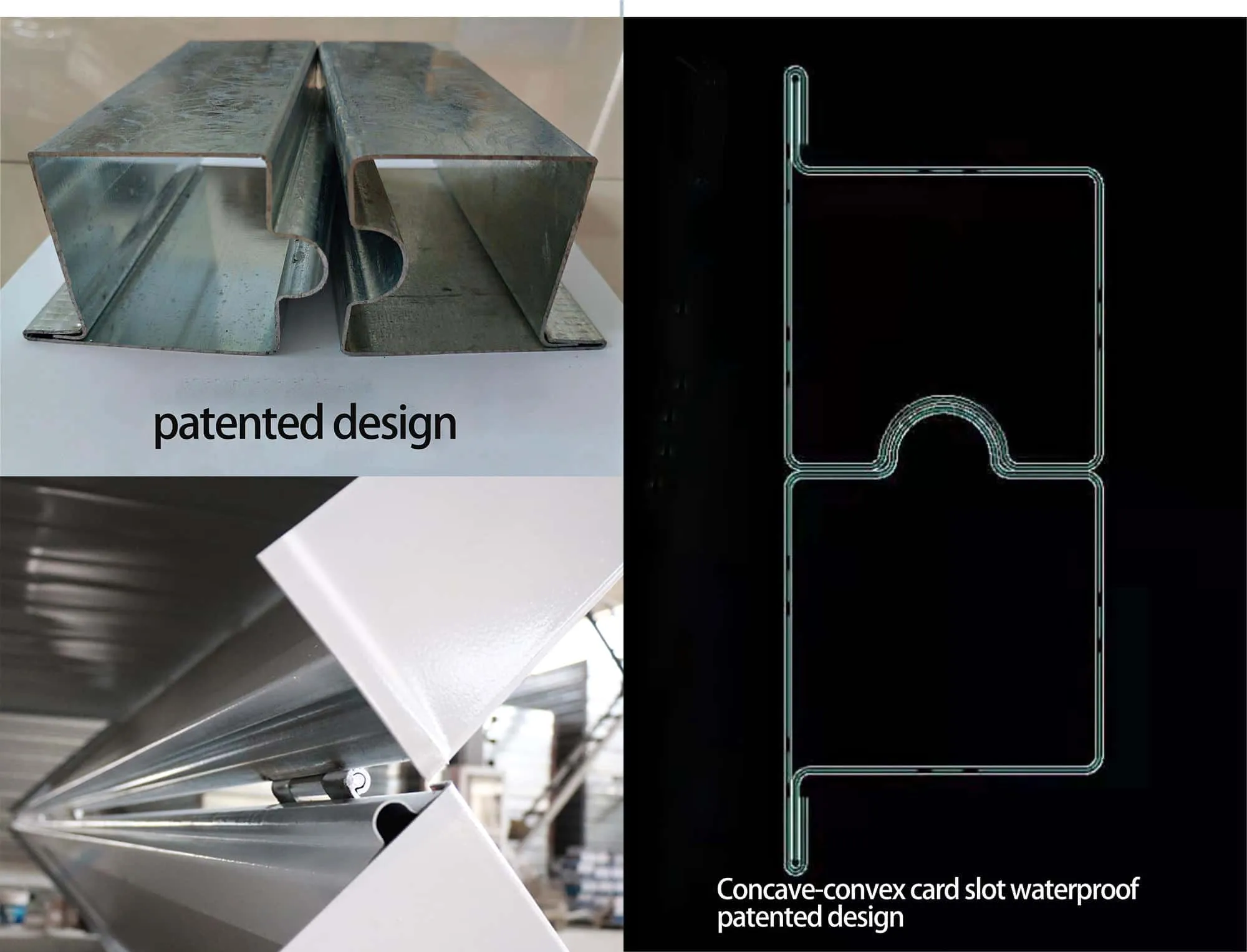
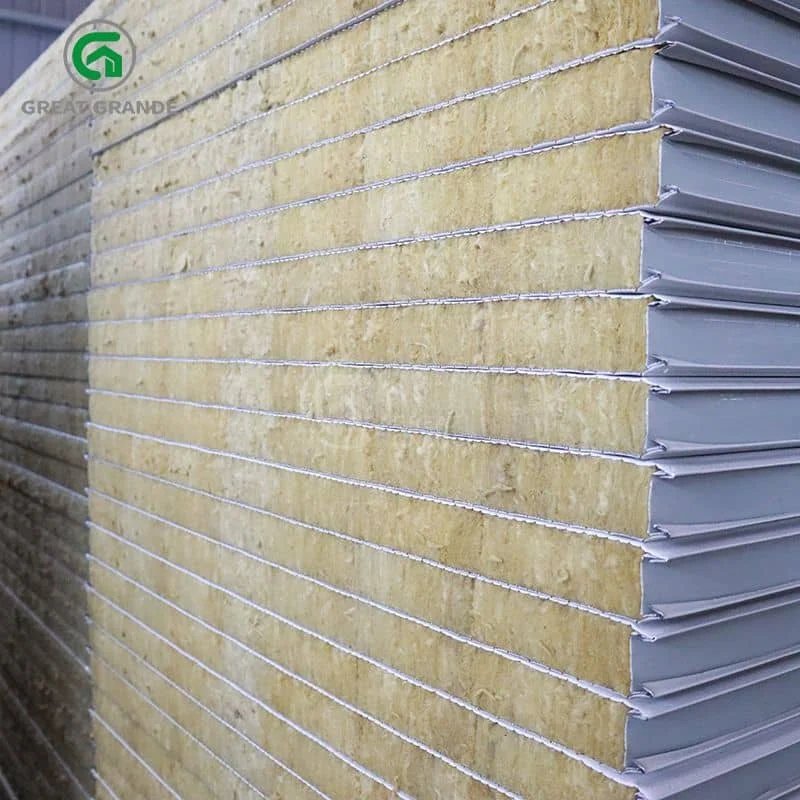

4. Housing Materials: Steel Structure + Fireproof Materials + Anti-Corrosion Wall Panels
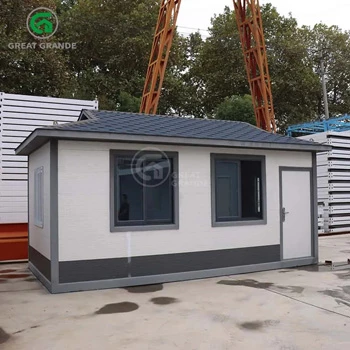
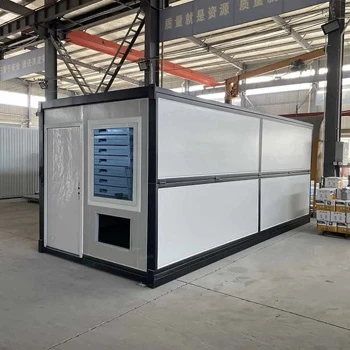
Grande House products highlight steel structure, quick assembly, fireproof materials, and anti-corrosion wall panels, indicating that its material selection leans more towards engineering and practicality.
Steel structure as the main body ensures structural strength and transportation adaptability.
The use of fireproof materials helps meet fire protection requirements in more markets and reduces safety risks.
Anti-corrosion wall panel design is especially suitable for export projects facing different climates and transportation conditions, reducing later maintenance pressure.
For overseas buyers, this material combination means stronger wind and rain resistance, better transportation adaptability, and lower later maintenance costs.
5. Interior Configuration: Customizable Layout + Solar Off-Grid Solutions
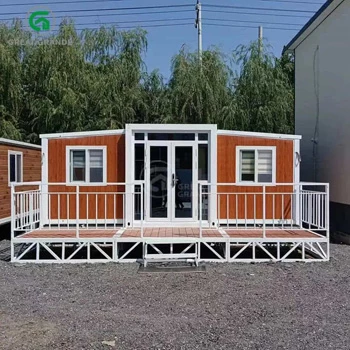
Some Grande House products explicitly support customizable layouts and can be combined with solar power generation and off-grid living solutions, which indicates that its interior functional configuration is not just basic pre-burying, but can be designed according to project needs for different scenarios.
Supports multiple layouts such as 1-bedroom, 2-bedroom, and double-storey structures to meet different project needs.
Combined with solar power generation and off-grid solutions, suitable for remote areas, camps, vacation houses, and other scenarios.
Internal electrical and plumbing systems can be adapted according to target market standards, reducing the trouble of later secondary renovation.
For overseas customers, this “move-in ready, expandable, and customizable” interior configuration capability is the key to being truly practical.
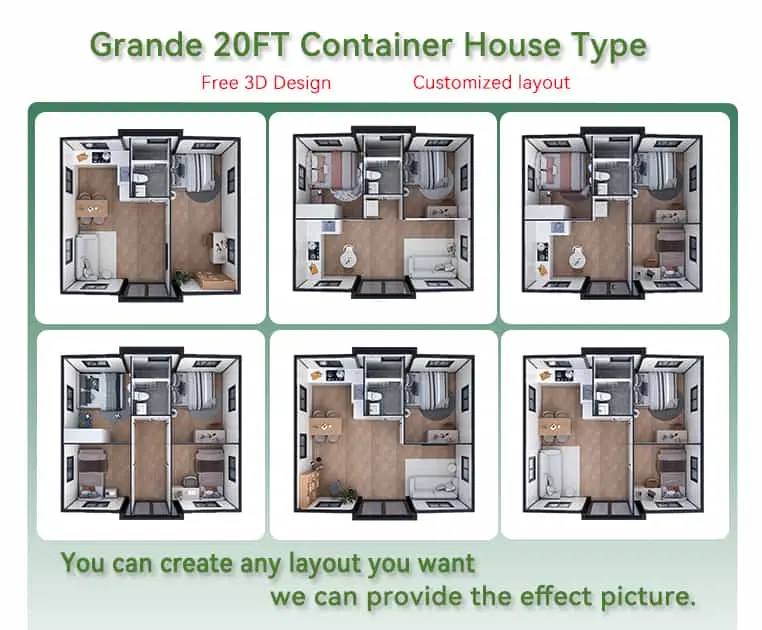
Choosing the Right Manufacturer for Your Project
In summary, judging whether an expandable container house manufacturer is reliable cannot be based on price alone or appearance alone. Instead, it must be systematically evaluated from the five criteria of insulation, certifications, service life, materials, and interior utilities. A truly capable manufacturer will get these details right all at once, rather than excelling in only one aspect.
If you are looking for a supplier that takes into account export compliance, structural craftsmanship, customization capabilities, and project delivery experience, Grande House is worth close attention. Its products demonstrate strong comprehensive capabilities in CE certification, steel structure, fireproof materials, anti-corrosion wall panels, quick installation, and customizable layout, meeting the actual needs of different overseas markets for expandable container houses and directly addressing the core pain points of overseas buyers in project implementation.