





Table of Contents
Introduction
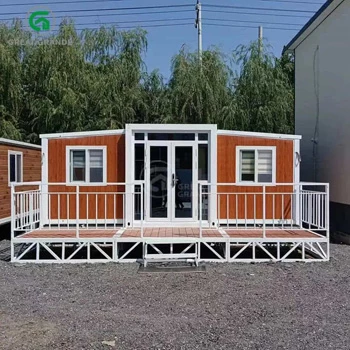
In the rapidly shifting landscape of global construction, the demand for resilient, mobile, and sustainable housing solutions has reached an all-time high. Among the most innovative responses to this demand is the modern Folding Container House, a pinnacle of modular engineering that balances rapid deployability with long-term structural integrity. Unlike traditional temporary shelters, today’s high-end folding units are designed to withstand extreme environmental stressors, ranging from coastal salt-mist corrosion to high-velocity wind loads in typhoon-prone regions.
This white paper explores the critical technical specifications that define a premium modular unit, focusing specifically on the structural mechanics of wind resistance and the metallurgical benefits of high-grade steel protection. For developers, disaster relief agencies, and industrial site managers, understanding these “under-the-hood” specifications is essential for ensuring safety and maximizing the return on investment (ROI) in modular assets.
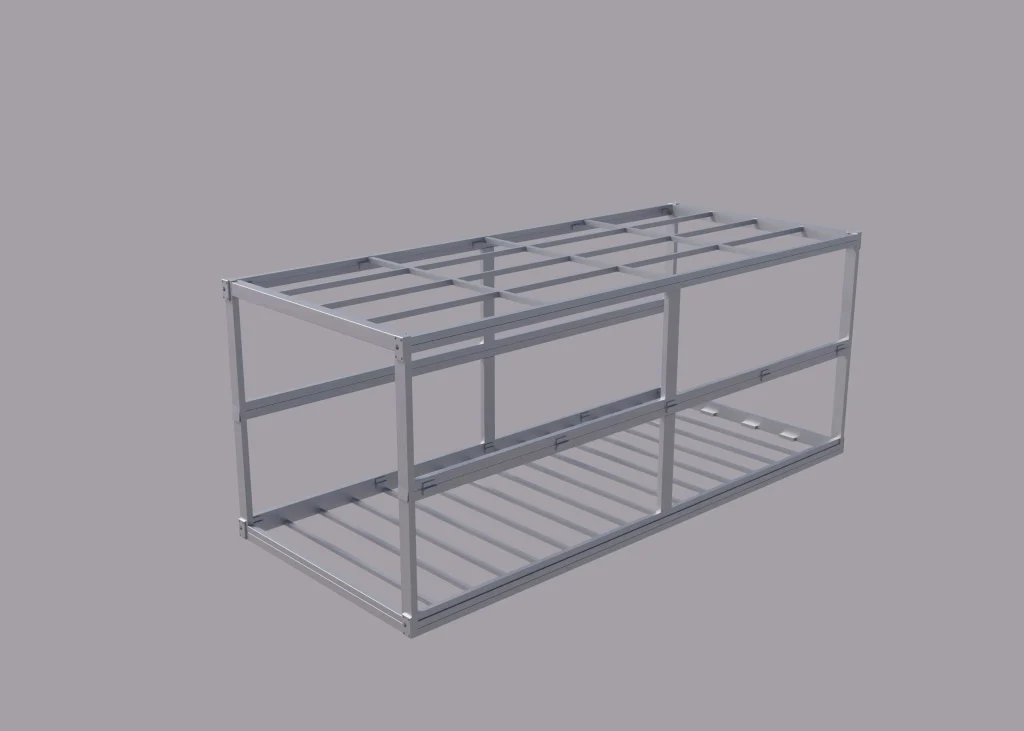

Part 1: Structural Dynamics and Wind Resistance
When discussing modular portability, the primary engineering challenge is maintaining rigidity without adding prohibitive weight. A high-performance Folding Container House must utilize a precision-engineered frame that allows for fluid movement during setup while locking into a monolithic, unyielding structure once deployed.
The Physics of Wind Loading on Modular Units
Wind resistance is not merely a matter of weight; it is a matter of aerodynamics, joint integrity, and anchoring systems. A structure’s ability to resist “uplift” and “lateral shear” determines its safety rating. In high-wind scenarios, the flat surfaces of a container can act as sails. Without a scientifically verified container house wind resistant structure, the risk of deformation or catastrophic failure increases significantly during Level 10 to 12 gales.
Engineers focus on the “Drag Coefficient” and the distribution of pressure across the wall panels. By utilizing heavy-duty hinges and reinforced corner castings, premium manufacturers ensure that the wind’s energy is transferred through the vertical pillars directly into the foundation or anchoring blocks.
Key Components of Wind-Resistant Design
- Reinforced Hinge Systems: The weak point of any folding structure is its joints. Industrial-grade units utilize carbon steel hinges with a thickness exceeding 5mm, ensuring that even under high pressure, the folding mechanism remains a strength rather than a vulnerability.
- Locking Mechanisms: Once the roof is hoisted, automatic or semi-automatic locking bolts secure the horizontal and vertical members. This creates a “closed-loop” structural system.
- Wall Panel Interlocks: Instead of simple butt joints, advanced units use tongue-and-groove or overlapping panel designs to prevent wind from infiltrating the interior, which could cause internal pressure buildup and panel blowout.
Part 2: Corrosion Protection through Hot-Dip Galvanizing
In the world of steel construction, rust is the silent killer. For any container house galvanized steel prefab, the method of zinc application dictates whether the building will last 5 years or 25 years. While “cold galvanizing” (zinc-rich painting) is common in budget models, it offers only a thin surface layer that is easily scratched.
Why Hot-Dip Galvanizing (HDG) is Mandatory for Harsh Environments
Hot-Dip Galvanizing involves submerging the entire steel frame into a bath of molten zinc at temperatures of approximately 450°C (842°F). This process creates a metallurgical bond between the zinc and the steel, forming a series of zinc-iron alloy layers.
- Sacrificial Protection: If the coating is damaged, the surrounding zinc will corrode preferentially, protecting the exposed steel.
- Total Coverage: Unlike spray-on coatings, the liquid zinc flows into every nook, cranny, and internal hollow section of the steel tubing.
- Durability: An HDG coating is significantly harder than the base steel itself, providing exceptional resistance to mechanical damage during transport and deployment.
Comparative Analysis of Steel Treatment
| Feature | Cold Galvanizing (Electro-galvanized) | Hot-Dip Galvanizing (HDG) |
| Coating Thickness | 5–15 microns | 65–100+ microns |
| Bonding Type | Mechanical (Surface adhesion) | Metallurgical (Alloy layers) |
| Corner/Edge Protection | Poor (Thin at edges) | Excellent (Uniform buildup) |
| Lifespan (Coastal) | 1–3 years | 15–20+ years |
| Typical Use Case | Indoor/Temporary parts | Heavy industrial/External frames |
Part 3: Technical Specifications & Global Standards
To provide a clear roadmap for procurement, we must look at the standardized metrics used to evaluate a container house wind resistant structure. Adhering to International Building Codes (IBC) and specific modular standards (such as ISO 1461 for galvanizing) ensures the unit is fit for purpose globally.
Wind Load Ratings Table
The following table outlines the expected performance of a premium folding unit based on wind speed and structural reinforcement levels.
| Wind Grade (Beaufort) | Wind Speed (km/h) | Pressure (kN/m²) | Recommended Structural Spec |
| Grade 8 (Gale) | 62–74 | 0.25–0.35 | Standard 2.0mm Frame |
| Grade 10 (Storm) | 89–102 | 0.45–0.60 | Reinforced 2.5mm Frame + Anchoring |
| Grade 12 (Typhoon) | 118–133 | 0.85–1.10 | Heavy-Duty 3.0mm Frame + Tension Cables |
Material Composition Standards
A high-quality container house galvanized steel prefab usually follows these material benchmarks:
- Steel Grade: Q235B or Q355B Carbon Steel (High tensile strength for structural load-bearing).
- Galvanizing Thickness: Average 80 microns (Z275 coating mass or higher).
- Panel Insulation: 50mm – 75mm Rockwool or PU (Polyurethane), which adds both thermal resistance and structural damping.
Part 4: Installation and Deployment Logistics
One of the most significant advantages of modular units is the reduction in “Time-to-Site.” However, the speed of deployment should never compromise the structural integrity.
The Setup Process
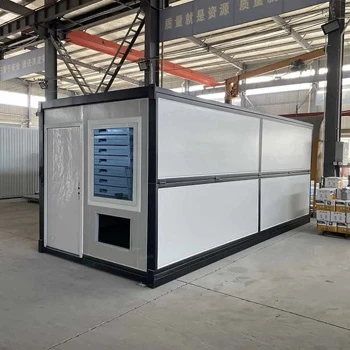
The installation of a folding unit typically takes a crew of three people less than 10 minutes. The process involves:
- Leveling the Ground: Utilizing a concrete pad or leveled pier foundation to ensure the frame remains square.
- The Lift: A crane or forklift lifts the roof section, causing the pre-installed wall panels to unfold.
- The Lock: Once fully extended, the internal structural supports are bolted into place.
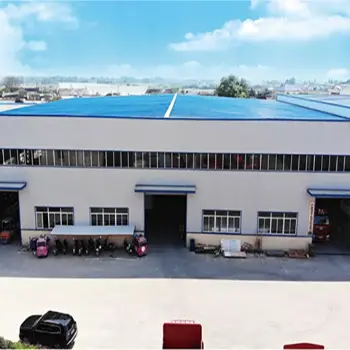
Because the main components are pre-assembled in a controlled factory environment, the precision of the joints is far superior to traditional on-site welding. This precision is what allows for a consistent wind-resistance rating across thousands of units.
Part 5: Maintenance for Extended Lifespan
While the initial build quality is paramount, the longevity of a modular unit also depends on basic maintenance protocols. Even with a high-grade galvanized finish, regular inspections are recommended:
- Annual Hinge Lubrication: Ensuring the folding mechanism remains rust-free and functional.
- Sealant Inspection: Checking the weather-stripping at the folding seams to prevent moisture ingress.
- Touch-up Painting: If the galvanizing is scratched during heavy industrial use, applying a zinc-rich cold galvanizing spray can prevent localized oxidation.
Conclusion
Choosing the right folding container house solution is a balance between cost, speed, and durability. While lower-priced alternatives may look similar on the surface, the difference lies in the engineering of the joints and the quality of the protective coatings. A unit that incorporates a verified wind-resistant design and high-grade galvanizing is not just a temporary shelter—It is a long-term infrastructure asset.
By prioritizing technical specifications over aesthetic shortcuts, developers can ensure that their modular projects remain safe, functional, and profitable for decades to come.
FAQ
1. How does a folding container house perform in extreme hurricane conditions?
While standard models are rated for Grade 8-10 winds, high-spec units can be upgraded with additional wind-resistant features. By utilizing a specific container house wind resistant structure and professional ground anchoring systems (such as earth augers or concrete bolting), these houses can safely withstand wind speeds exceeding 120 km/h. It is always recommended to consult with the manufacturer regarding the specific wind zone of your installation site.
2. Is the steel frame susceptible to rust if the house is located near the ocean?
In coastal environments, salt-mist corrosion is a major concern. This is why a container house galvanized steel prefab is the industry standard for seaside applications. The hot-dip galvanizing process provides a thick, sacrificial zinc layer that protects the steel frame from the corrosive effects of salt and humidity, offering a significantly longer lifespan compared to painted or electro-galvanized frames.
3. Can these units be stacked, and does stacking affect wind resistance?
Yes, many folding units are designed to be stackable up to two or three levels. However, stacking changes the center of gravity and increases the surface area exposed to wind. In stacked configurations, the structural requirements for the lower units are higher, and a secondary external steel frame or specialized interlocking connectors are often used to maintain the integrity of the overall structure against lateral wind forces.