




Table of Contents
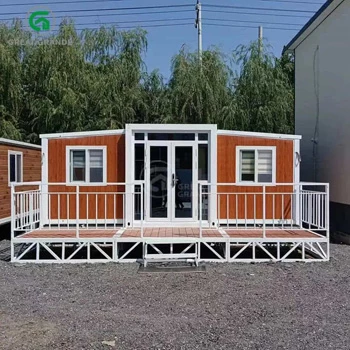
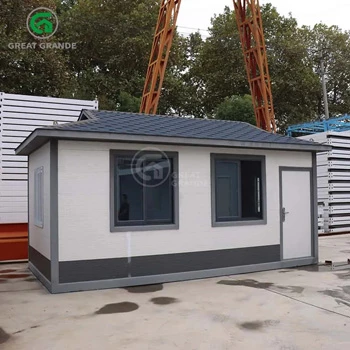
In the rapidly evolving landscape of modern construction and corporate logistics, the demand for flexible, scalable, and cost-effective workspace solutions has never been higher. As businesses navigate the complexities of remote project management, urban development, and disaster relief, the traditional “brick-and-mortar” office is increasingly being supplemented—or even replaced—by modular innovations. Among these, the Folding Container House has emerged as a frontrunner, offering an unparalleled blend of structural integrity and logistical agility.
This comprehensive guide explores why folding modular systems are transforming the concept of the temporary office, the economic advantages of specialized rental models, and the technical specifications that make these units a robust choice for any environment.
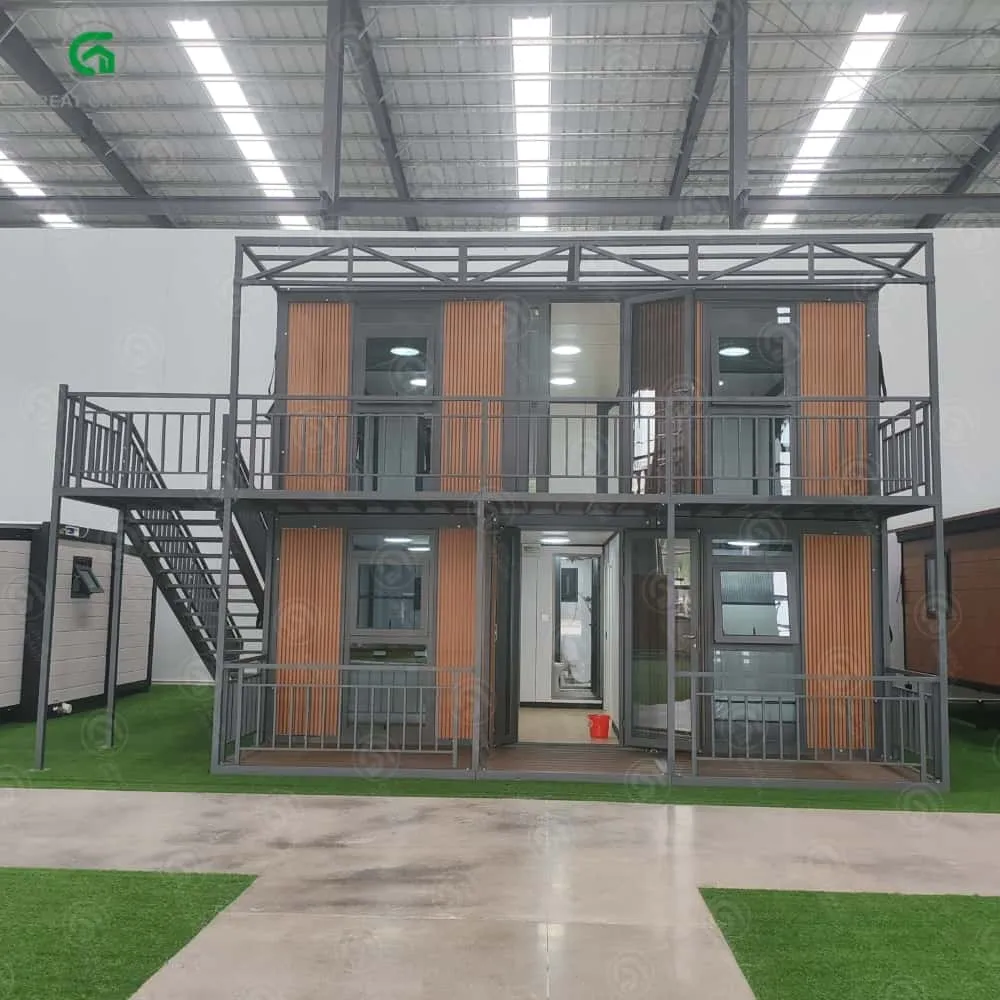
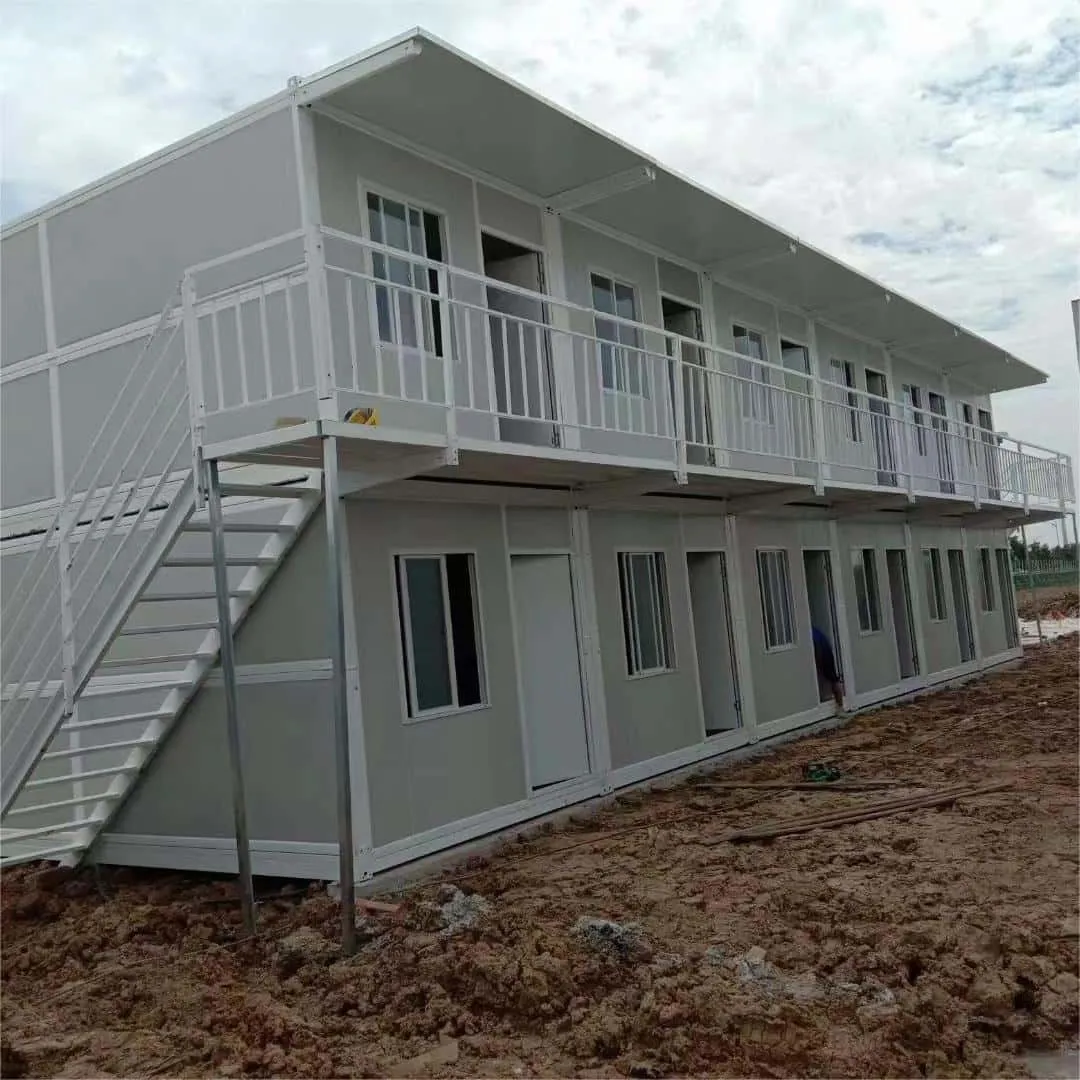
The Paradigm Shift in Modular Architecture
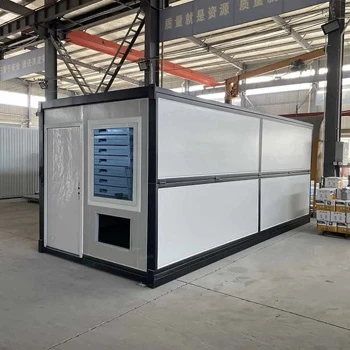
Modular construction is no longer a niche alternative; it is a global industry standard for efficiency. The core appeal of a folding system lies in its ability to collapse for transport and expand for utility. Unlike standard flat-pack containers that require intensive on-site assembly of individual panels, a folding unit arrives with its primary structure intact. This “pop-up” capability reduces labor costs and site disturbance, making it ideal for high-density urban areas or remote resource-extraction sites.
The Engineering Behind the Fold
The structural framework of these units typically utilizes galvanized steel. This ensures that the building remains resistant to oxidation and structural fatigue. The hinges and joint mechanisms are engineered to withstand multiple deployment cycles, providing a long-term return on investment for companies that move their headquarters frequently across different project phases.
Why Choose a Folding Container House?
When evaluating temporary office solutions, decision-makers must balance speed with durability. A Folding Container House excels in this regard by providing a semi-permanent feel with the mobility of a vehicle.
Key Advantages:
- Rapid Installation: A single unit can often be erected in under 10 minutes with the help of a small crane and a two-person team.
- Logistical Efficiency: Because the units fold down to a fraction of their expanded height, a single delivery truck can transport up to 10-12 units simultaneously, drastically reducing the carbon footprint and freight costs.
- High-Quality Insulation: Modern units utilize fireproof rock wool or sandwich panels, ensuring thermal regulation that rivals traditional office buildings.
- Safety and Weather Resistance: Designed to withstand Grade 10 winds and moderate seismic activity, these structures offer a safe haven for employees in unpredictable climates.
Technical Specifications and Comparison
To understand the value proposition of these modular units, it is essential to look at the technical data. Below is a comparison of standard folding office units versus traditional temporary cabin structures.
| Feature | Folding Container Office | Traditional Prefab Cabin |
| Setup Time | 10 – 15 Minutes | 2 – 4 Days |
| Transport Volume | High (Folded: 400-500mm height) | Low (Static dimensions) |
| Labor Requirement | 2 Workers + 1 Crane | 4-6 Workers |
| Reusability | Extremely High (Easy to fold/move) | Moderate (Dismantling causes wear) |
| Fire Resistance | Class A (Non-combustible) | Varies (Often Class B/C) |
| Lifespan | 15 – 20 Years | 5 – 10 Years |
Purchasing vs. Temporary Container House Office Rental
For many enterprises, the decision between capital expenditure (CapEx) and operational expenditure (OpEx) depends on the project duration. If a construction firm has a pipeline of projects spanning several years, purchasing a fleet of modular units is logically sound. However, for short-term events, seasonal surges, or pilot projects, the temporary container house office rental market offers significant benefits.
The Benefits of Leasing:
- Preservation of Capital: Leasing allows firms to allocate funds toward core business operations rather than depreciating assets.
- Scalability: If a project team expands from 10 to 50 people overnight, rental providers can quickly deploy additional units without the client needing to manage long-term storage after the project ends.
- Maintenance-Free Operations: Most rental agreements include maintenance and decommissioning services, ensuring the office remains in peak condition throughout the contract period.
Optimized Interiors for Maximum Productivity
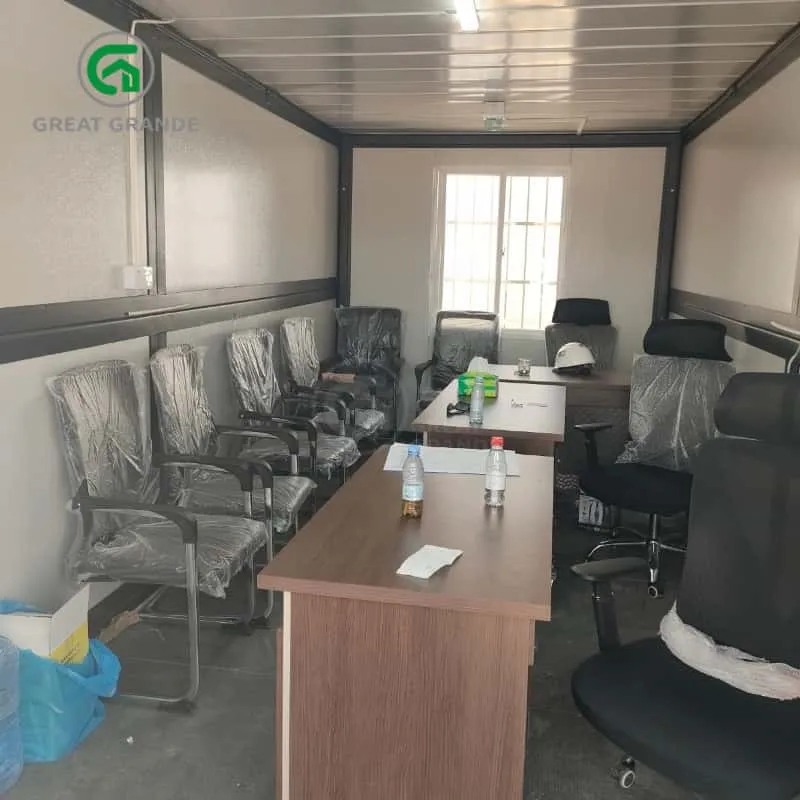
A temporary office shouldn’t feel “temporary.” Modern folding units are designed with human-centric interiors that foster focus and collaboration. High-quality LED lighting, integrated electrical circuits, and pre-installed flooring create a professional atmosphere from day one.
Customization Options:
- Climate Control: Integrated AC sleeves allow for immediate installation of HVAC systems.
- Connectivity: Pre-configured data ports and cable management systems support high-speed internet and server setups.
- Aesthetics: External cladding and internal wall finishes can be customized to match corporate branding, ensuring that even a remote site office reflects the company’s identity.
Environmental Impact and Sustainability
Folding offices are inherently “green.” By reducing the number of truck trips required for transport, they significantly lower CO2 emissions. Furthermore, because they do not require deep concrete foundations, they leave a minimal “physical footprint” on the land. Once the office is moved, the site can be restored to its original state with ease.
Applications
The versatility of the Folding Container House extends across various industries:
- Construction Sites: Providing on-site management suites that move as the project progresses.
- Disaster Relief: Rapidly deploying command centers and medical clinics in areas where infrastructure has been compromised.
- Mining and Energy: Creating comfortable administrative hubs in extreme environments like deserts or tundra.
- Marketing & Events: Serving as pop-up registration centers or VIP lounges for international trade shows.

Managing Logistics with Temporary Container House Office Rental
When opting for a temporary container house office rental, logistics management becomes the responsibility of the vendor. This include the “Final Mile” delivery and the precise positioning of the units using specialized heavy-lift equipment. For projects located in remote areas with restricted access, the ability to transport folded units on smaller flatbed trucks provides a strategic advantage that traditional modular buildings cannot match.
Conclusion
The integration of folding technology into the workspace market represents a significant leap forward in operational efficiency. Whether you are looking to purchase a permanent fleet or exploring the flexibility of temporary container house office rental options, the benefits of speed, cost reduction, and sustainability are undeniable.
By choosing a Folding Container House, organizations are not just buying a box; they are investing in an agile infrastructure that can adapt to the unpredictable nature of the 21st-century economy.
FAQ
Q1: How long does it take to assemble a folding container office on-site?
Most units are designed for extreme speed. Typically, it takes about 10 to 15 minutes to unfold the structure and secure the locking mechanisms. Including the connection to local utilities (power and water), a professional team can have an office fully operational within 2 to 3 hours of the truck arriving on-site.
Q2: Are these folding offices suitable for extreme weather conditions like heavy snow or high heat?
Yes. The walls are constructed using high-density insulation materials (such as rock wool or EPS sandwich panels) that provide excellent thermal resistance. The roof structure is engineered to handle significant snow loads, and the galvanized steel frame is treated to resist corrosion in humid or coastal environments.
Q3: What are the main differences between buying and choosing a rental service for these units?
Buying is ideal for long-term use (over 2 years) or when specific, permanent customizations are required. Rental services are preferred for short-term projects or when you want to avoid the costs of storage and maintenance. Many companies find that rental agreements provide better flexibility for scaling their workforce up or down as project needs change.