




Tabla de contenido
The short-term rental market is more competitive than ever, and hosts are constantly looking for ways to stand out. When considering expanding your Airbnb portfolio or starting a new venture, the type of structure you choose is crucial. The debate between innovative solutions and classic charm is a significant one. This comprehensive guide explores the foldable tiny house vs cabin dilemma to help you determine which structure is the better investment for your Airbnb business.
We will analyze both options across various critical factors, including cost, setup, maintenance, guest appeal, and return on investment (ROI). Whether you are drawn to the modern efficiency of a foldable tiny house or the rustic allure of a traditional cabin, this analysis will provide the insights you need to make an informed decision.
Understanding the Contenders
Before diving into the detailed comparison, let’s clearly define what we are comparing. Both options are popular choices for hosts looking to create unique and memorable stays, often falling under the umbrella of glamping structures.
The Foldable Tiny House
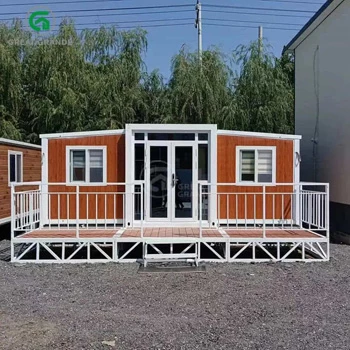
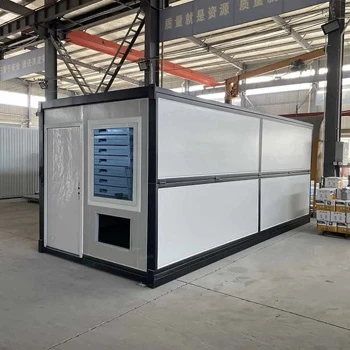
A foldable tiny house, also known as an expandable container home or prefab folding house, is a marvel of modern engineering. These structures are manufactured in a factory, shipped in a compact state, and then expanded or “unfolded” on-site to create a full-sized living space. They are typically made from durable materials like steel frames and sandwich panels for insulation.
Key Characteristics:
- Prefabricated: Built off-site and transported.
- Expandable: Maximizes shipping efficiency and on-site space.
- Modern Aesthetics: Often features sleek, minimalist designs.
- Quick Setup: Can be erected in a matter of days or even hours.

The Traditional Cabin
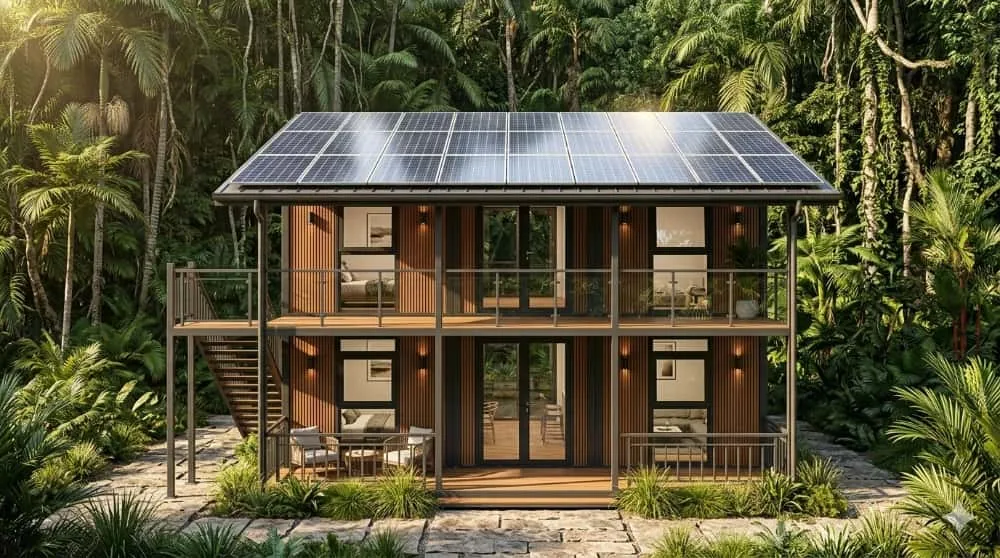
A traditional cabin is exactly what comes to mind when you picture a retreat in the woods. Built primarily from timber (logs or wood siding), these structures are often constructed on-site over several weeks or months. They evoke a sense of nostalgia, comfort, and connection to nature.
Key Characteristics:
- Site-Built (Usually): Constructed piece by piece on the designated plot.
- Timber Construction: Relies heavily on wood for framing and exterior finish.
- Rustic Aesthetics: Characterized by exposed wood, cozy interiors, and classic architectural styles (like A-frames).
- Permanent Foundation: Requires a substantial foundation and site preparation.
Detailed Comparison: Foldable Tiny House vs. Traditional Cabin
To determine which is the better option for your Airbnb, we need to compare them across the factors that matter most to property investors and hosts. Here is a detailed Airbnb property comparison.
1. Initial Investment and Setup Costs
The cost of getting your property ready for guests is often the primary deciding factor.
Foldable Tiny Houses:
- Purchase Price: The upfront cost of the unit is generally lower than building a comparable traditional cabin. You are paying for a standardized, mass-produced product.
- Preparación del sitio: Costs are significantly lower. They require less extensive foundations (sometimes just concrete pads or helical piers) and minimal site disruption.
- Labor: Because they are pre-built and designed for quick assembly, labor costs for setup are minimal compared to a full construction build.
- Time to Market: This is a major advantage. You can go from ordering to hosting guests in a fraction of the time it takes to build a cabin, allowing you to start generating revenue sooner.
Traditional Cabins:
- Construction Costs: Building a cabin on-site is labor-intensive and subject to fluctuating material costs. It generally requires a higher initial investment.
- Preparación del sitio: Requires clearing, leveling, and pouring a substantial permanent foundation, adding significantly to the overall cost.
- Permitting: Often requires more complex and time-consuming permitting processes as it’s considered a permanent, traditional build.
- Time to Market: Construction can take months. Delays due to weather, contractor availability, or supply chain issues are common, delaying your potential rental income.
2. Guest Appeal and The Airbnb Experience
The success of your Airbnb depends entirely on attracting guests and providing an experience they love.
Foldable Tiny Houses:
- Modern Novelty: They appeal to guests looking for unique, modern, and efficient stays. The “tiny house” movement has a dedicated following, and the novelty of a foldable structure is a strong selling point.
- Minimalist Vibe: The clean lines and efficient use of space attract guests who appreciate a clutter-free, contemporary environment.
- Integration with Surroundings: With large windows and smart layouts, they can offer excellent views and a strong connection to the immediate environment, even with a modern footprint.
Traditional Cabins:
- Rustic Charm and Nostalgia: Cabins appeal to the classic desire for a “getaway in the woods.” They offer a cozy, romantic, and nostalgic experience that many guests specifically seek out for vacations.
- Warm Aesthetics: The natural wood, potential for fireplaces or wood-burning stoves, and traditional architecture create a universally appealing, warm atmosphere.
- Perceived Authenticity: For properties located in mountainous, forested, or rural areas, a cabin feels like the authentic choice, blending seamlessly with the environment in a traditional sense.
3. Durability, Maintenance, and Longevity
As an investment, your property needs to withstand the wear and tear of continuous guest turnover and the elements.
Foldable Tiny Houses:
- Materials: Built with steel frames, specialized insulated panels, and modern weather-resistant exterior finishes, they are highly durable against pests, rot, and severe weather.
- Mantenimiento: Generally lower maintenance than wood structures. The exterior surfaces usually just require occasional washing. There is no need for regular staining, sealing, or pest treatments associated with log cabins.
- Longevity: While a relatively new technology in this application, the materials are designed for long-term durability. However, they may not have the multi-generational lifespan of a well-maintained traditional cabin.
Traditional Cabins:
- Materials: Wood is beautiful but requires ongoing care. It is susceptible to rot, moisture damage, and wood-boring insects (like termites or carpenter bees) if not properly maintained.
- Mantenimiento: High maintenance. Log cabins require regular cleaning, chinking repair, and re-application of protective stains or sealants every few years to maintain their integrity and appearance.
- Longevity: With meticulous maintenance, a traditional cabin can last for generations. It is a proven, long-term asset.
4. Flexibility and Scalability
Your business strategy might involve starting small and expanding, or the ability to adapt to changing circumstances.
Foldable Tiny Houses:
- Relocation: A massive advantage. If a location isn’t performing well, or lease terms change, a foldable tiny house can be folded back up and moved to a new site relatively easily and cost-effectively.
- Escalabilidad: Because of the lower cost and fast setup, it is easier to scale a business by adding more units. You can create a “village” of tiny houses much faster than building multiple cabins.
- Permitting Flexibility: Depending on local zoning, they might be classified differently than permanent structures (e.g., as temporary structures or RVs), potentially simplifying the permitting process in some areas.
Traditional Cabins:
- Permanent: Once built, it is a permanent fixture. Relocating a traditional cabin is an immense, costly, and often impractical undertaking.
- Escalabilidad: Building multiple cabins requires significant capital, time, and project management. Scaling is a slower, more deliberate process.
- Rigid Permitting: They are subject to strict building codes and zoning laws applicable to permanent single-family dwellings.
Summary Comparison Matrix
To quickly visualize the differences, here is a summary matrix comparing the two options:
| Característica | Foldable Tiny House | Traditional Cabin |
|---|---|---|
| Initial Cost | Moderate to Low | Alto |
| Tiempo de configuración | Very Fast (Days/Weeks) | Slow (Months) |
| Guest Appeal | Modern, Novelty, Minimalist | Rustic, Cozy, Nostalgic |
| Mantenimiento | Low (Steel/Panels) | High (Wood Care, Sealing) |
| Durabilidad | High (Weather/Pest Resistant) | Moderate to High (Requires Upkeep) |
| Movilidad | Relocatable | Permanente |
| Personalización | Limited to pre-set options/finishes | Highly customizable (site-built) |
| Permitting | Potentially easier (varies by locale) | Traditional, often complex |
Which is Better for Your Airbnb?
The answer to the foldable tiny house vs cabin question is not a simple “one is better than the other.” The right choice depends entirely on your specific goals, location, and target audience.
Choose a Foldable Tiny House
- You Want Fast ROI: You want to start hosting and generating income as quickly as possible.
- You Have a Limited Budget: You want a lower initial capital expenditure and predictable setup costs.
- You Value Flexibility: You might want to move the unit in the future or are testing a new, unproven location.
- You Want Low Maintenance: You prefer a “set it and forget it” approach to exterior upkeep.
- Your Target Audience Seeks Modernity: You are appealing to younger demographics, digital nomads, or those looking for unique, modern glamping structures.
Choose a Traditional Cabin
- You Want a Classic Aesthetic: Your location (like a dense forest or mountainside) demands a traditional look that blends perfectly with the natural surroundings.
- You Target “Cozy Getaway” Seekers: Your ideal guests are families or couples looking for a romantic, nostalgic retreat with features like a wood-burning stove.
- You Are Building a Long-Term Legacy Asset: You are willing to invest more upfront for a permanent structure that can last generations with proper care.
- You Want Total Customization: You want complete control over the layout, materials, and architectural details during the build process.
- You Have the Time and Capital: You are not in a rush to market and have the resources to manage a traditional construction project.
Conclusión
Both foldable tiny houses and traditional cabins offer compelling opportunities for Airbnb hosts. The traditional cabin provides timeless appeal and a classic vacation experience, albeit with higher costs and maintenance demands. The foldable tiny house represents the future of flexible, efficient hospitality, offering faster setup, lower initial investment, and a modern aesthetic.
By carefully considering your budget, timeline, target audience, and long-term business goals, you can choose the structure that will maximize your Airbnb’s success and provide an unforgettable experience for your guests. Whether you embrace the rustic charm of wood or the sleek efficiency of modern prefabrication, the key to a successful short-term rental is providing exceptional hospitality and a unique sense of place.
Preguntas frecuentes
1. Are foldable tiny houses as warm in the winter as traditional cabins?
Yes, high-quality foldable tiny houses are constructed with significant insulation (often using polyurethane or EPS sandwich panels) that can provide excellent thermal performance, sometimes even exceeding older, drafty traditional cabins. However, a newly built, well-insulated traditional cabin will also be very warm. The key for either structure is ensuring proper insulation ratings for your specific climate.
2. Is it harder to get financing for a foldable tiny house compared to a traditional cabin build?
It can be. Traditional cabins, once built on a permanent foundation, are generally financed through standard construction-to-permanent mortgages. Foldable tiny houses, especially if not on a permanent foundation or classified as RVs/mobile homes in your area, might require alternative financing options like personal loans, RV loans, or specialized alternative housing lenders. It’s crucial to check with lenders and understand how the structure will be classified legally.
3. Which type of structure generally commands a higher nightly rate on Airbnb?
There is no definitive rule. The nightly rate is dictated more by the location, the quality of the interior design and amenities, and the overall guest experience than the structure type alone. A stunning, well-appointed foldable tiny house with an amazing view can command a higher rate than an average, dated traditional cabin in a less desirable spot. However, luxury traditional log cabins in prime vacation destinations can command premium luxury rates. You must research comparable listings in your specific area.