





Tabla de contenido
The global hospitality landscape is undergoing a massive and permanent transformation. Modern travelers are increasingly abandoning crowded city-center hotels in favor of immersive, unique experiences that allow them to disconnect from their bustling daily lives and reconnect with the natural world. This surging demand for experiential travel has paved the way for highly innovative short-term rental concepts, particularly those located in remote, untouched landscapes where traditional infrastructure simply does not exist.
For ambitious hosts, property developers, and real estate investors, capitalizing on this eco-tourism trend means overcoming the logistical hurdles of building where municipal utilities end. Enter the era of the modern off-grid foldable tiny house. This revolutionary architectural approach combines the raw allure of wilderness living with the modern, luxurious comforts that high-paying guests expect—all while maintaining a remarkably low environmental footprint.
However, operating a successful guest property in a remote location is not as simple as placing a cabin in the woods and listing it online. The true challenge—and the absolute key to receiving consistent five-star reviews—lies in mastering the invisible infrastructure. In this comprehensive guide, we will explore the critical, highly technical aspects of powering and plumbing your remote property, ensuring you can operate a profitable, stress-free oasis anywhere in the world.
The Architectural Revolution of Expandable Structures
Before diving into the mechanical and utility systems, it is essential to understand why expandable, folding architecture is taking the eco-tourism industry by storm and outperforming traditional cabin builds.
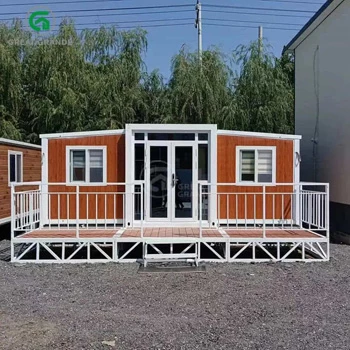
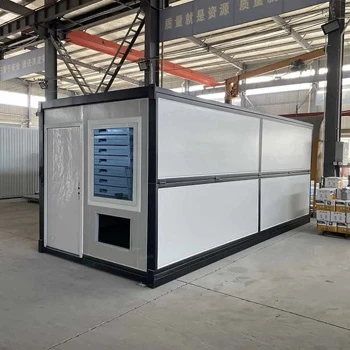
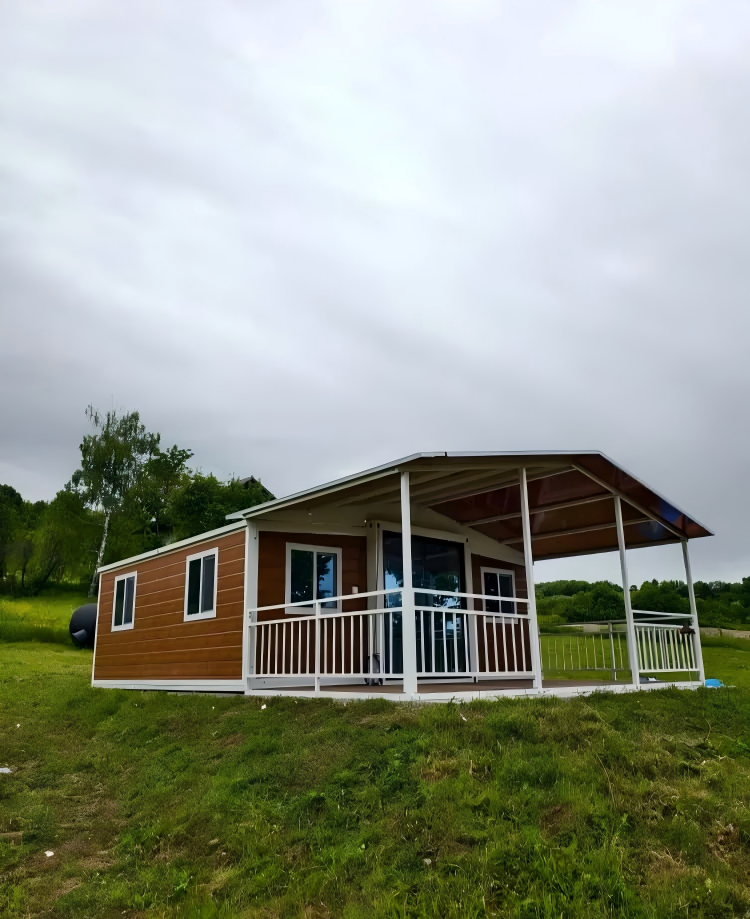
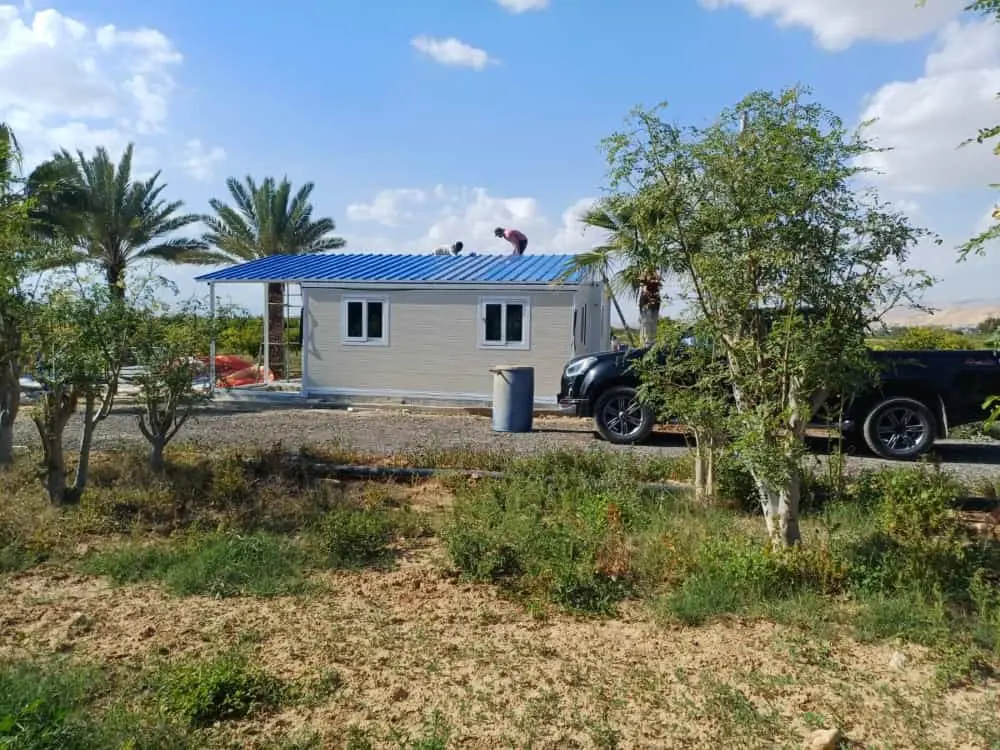
Traditional construction requires heavy machinery, months of noisy labor, building permits that can take years to clear, and significant disruption to the local ecosystem. In contrast, an expandable home is manufactured in a controlled, precision-engineered factory setting. It is shipped flat-packed or on a standard heavy-duty trailer. Once it arrives at your scenic parcel of land—whether that is a mountain ridge, a desert plateau, or a dense forest—the walls, floors, and roof unfold on heavy-duty industrial hinges, often tripling the interior square footage within a matter of hours.
This rapid deployment means hosts can start generating booking revenue months faster than traditional construction allows. Furthermore, because these structures require minimal foundation work—often relying on eco-friendly helical ground screws or a simple, permeable gravel pad—they leave the surrounding ecosystem virtually untouched. This strict “leave no trace” philosophy is not just good for the earth; it is a massive, highly marketable selling point for eco-conscious travelers looking to minimize their carbon footprint.
Harnessing the Elements: Designing a Foolproof Power System
When you disconnect your rental from the municipal power grid, you essentially take on the role of the utility company for your guests. Your energy system must be robust, fully automated, and capable of handling the unpredictable habits of short-term renters who may carelessly leave lights on or attempt to use high-draw appliances simultaneously.
1. Sizing Your Solar Array and Inverter
The absolute backbone of any remote power setup is a properly scaled solar array. To calculate your needs, you must perform a strict, worst-case-scenario energy audit. List every electrical device in the house: LED ambient lighting, the refrigerator compressor, the water pump, the toilet exhaust fan, device chargers, and high-draw comfort items like a coffee maker or induction cooktop.
For a typical premium micro-home accommodating two to four guests, a system drawing between 3,000 to 6,000 watt-hours per day is standard. To reliably meet this demand in various weather conditions, you will likely need a rooftop or ground-mounted array of high-efficiency monocrystalline solar panels generating between 3,000 and 5,000 watts.
Equally important is the pure sine wave inverter. This essential piece of equipment converts the direct current (DC) power generated by your solar panels into the alternating current (AC) power used by standard household outlets. For a short-term rental, a heavy-duty 5,000W inverter is highly recommended to handle power surges—for instance, if a guest turns on a hairdryer at the exact moment the refrigerator compressor kicks on.
2. The Battery Bank: Why Lithium Iron Phosphate is Non-Negotiable
Solar panels only generate power while the sun is shining, but your guests will consume the vast majority of their electricity during the evening and night. Therefore, your battery bank is the true heart of your energy system.
While older lead-acid and AGM batteries are cheaper upfront, they require regular physical maintenance, emit dangerous off-gases, and cannot be safely discharged below 50% without permanently damaging their overall lifespan. For a hands-off, commercial hospitality operation, Lithium Iron Phosphate (LiFePO4) batteries are strictly non-negotiable. They allow for an 80% to 100% depth of discharge, boast a lifespan of over 10 years (or 3,000 to 5,000 charge cycles), and require absolutely zero maintenance. A 400Ah to 800Ah lithium battery bank operating at 48V will generally provide enough stored energy to get your guests through three consecutive days of heavy cloud cover.
3. Failsafes and Smart Monitoring
No matter how perfectly engineered your solar system is, extended periods of extreme winter weather can eventually deplete your batteries. To prevent a disastrous late-night guest emergency, hosts must integrate an auto-start backup generator. Modern, ultra-quiet inverter generators can be wired directly to your solar charge controller. If the battery voltage drops below a critical threshold (e.g., 15%), the generator automatically turns on, rapidly recharges the batteries to a safe level, and shuts itself off. Furthermore, utilizing smart monitoring apps allows you, the host, to check your property’s battery levels from your smartphone anywhere in the world.
Flow and Filtration: Conquering Remote Water Management
Providing reliable, high-pressure clean water and managing human waste without a municipal sewer connection is arguably the most intimidating aspect of remote hosting. The key to successful Airbnb plumbing solutions lies in mechanical simplicity, proactive guest education, and utilizing high-quality, cold-weather-resistant components like PEX piping.
Sourcing and Storing Fresh Water
If drilling a deep residential well is prohibitively expensive or ecologically impossible on your specific parcel of land, you must rely on bulk water delivery or sophisticated rainwater catchment.
- Water Cisterns: Install a large, food-grade storage tank (typically 500 to 1,500 gallons) either buried safely below the local frost line or heavily insulated within a heated utility shed. Local water haulers can fill this tank on a scheduled monthly basis.
- Rainwater Catchment: Utilizing the large roof area of your structure, you can organically funnel rainwater into a holding cistern. However, for hospitality use, this water must pass through a strict multi-stage filtration system—including a 5-micron sediment filter, a 0.5-micron carbon block, and a high-intensity UV-light purifier—before reaching the taps to ensure it is 100% potable and safe for guest consumption.
- Pressurization: A 12V or 110V RV-style on-demand water pump, paired with an accumulator tank, will provide smooth, consistent water pressure that perfectly mimics city plumbing.
Heating Water Efficiently
Traditional tank water heaters keep 40 gallons of water hot 24/7, which is a massive, unjustifiable drain on a solar electrical system. Instead, remote hosts utilize propane-powered tankless water heaters. These highly efficient units only ignite when a tap is turned on, providing endless hot water for long guest showers while using zero electricity for the actual heating process. They run off standard 20lb or 100lb propane tanks, which are inexpensive and incredibly easy for a host or cleaner to swap out between guest turnovers.
Innovative Waste Management: Greywater and Blackwater
Handling wastewater efficiently is critical to maintaining a hygienic, odor-free, and legally compliant environment.
- Greywater (Sinks and Showers): Because it does not contain human waste, greywater can often be routed away from the home into a simple subterranean French drain or a specialized outdoor mulch basin, safely returning the water to the earth. To ensure soil health, hosts must explicitly provide guests with strictly biodegradable, eco-friendly soaps and shampoos.
- Blackwater (Toilets): The traditional flush toilet is the ultimate enemy of the remote host. It wastes gallons of precious freshwater per flush and requires a massive, incredibly expensive septic field. The modern, elegant alternative is the high-end composting toilet or the incinerating toilet. Modern composting units separate liquids from solids at the bowl level, utilizing a tiny, silent 12V exhaust fan to vent the chamber outside, completely eliminating all interior odors. They look remarkably sleek, feel modern to sit on, and safely turn human waste into manageable compost over time.
Infrastructure Comparison: Traditional vs. Remote Systems
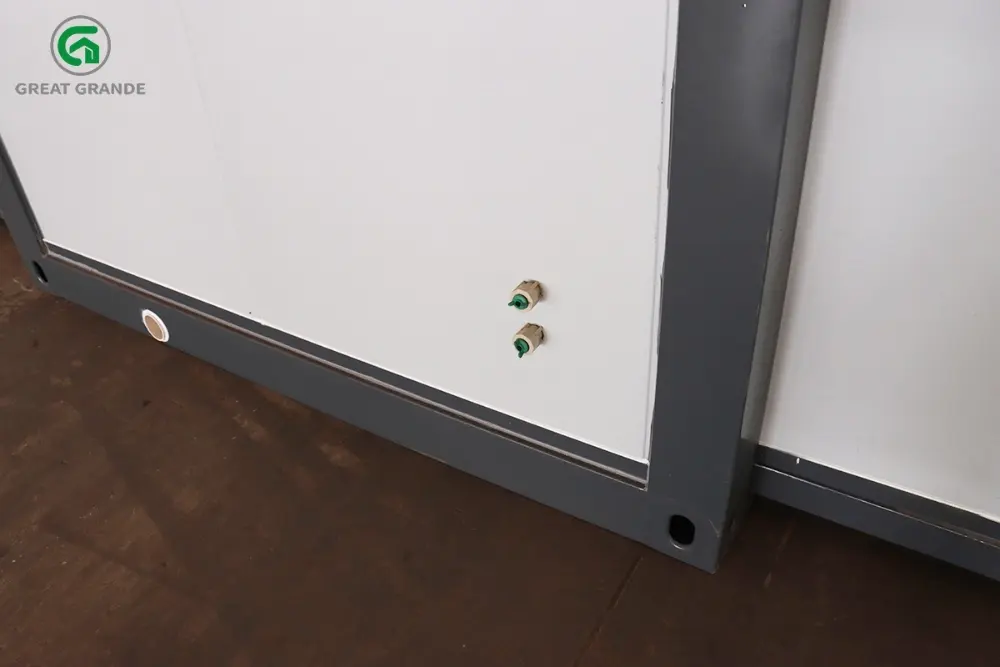
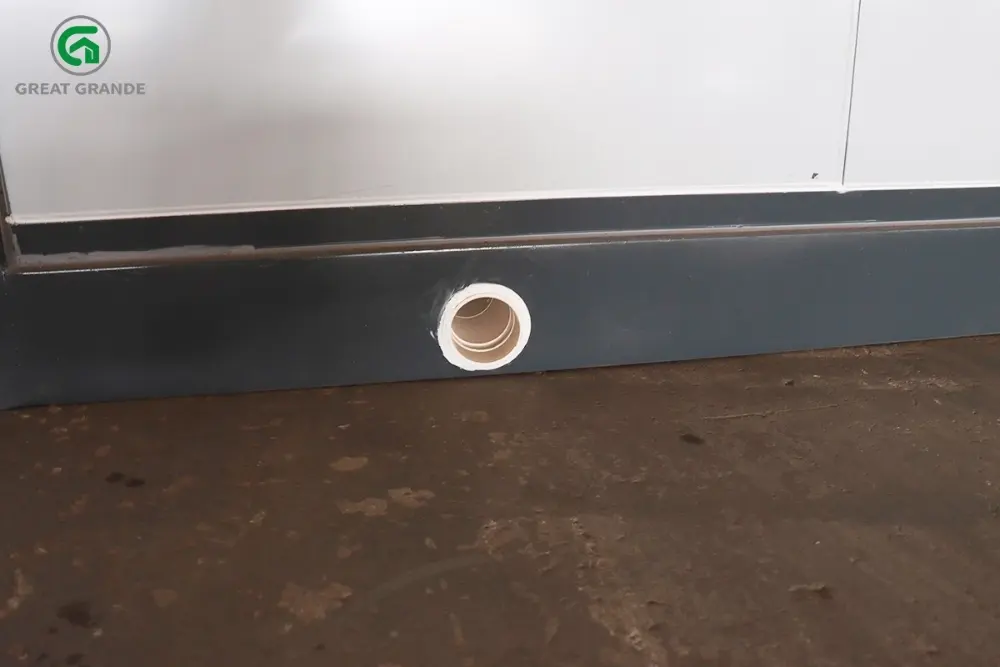
To clearly illustrate the logistical shift required for remote hospitality, review the following operational comparison.
| System Category | Traditional Urban Rental | Remote / Off-Grid Rental | Host Maintenance Level |
|---|---|---|---|
| Electricity | Municipal Grid (AC Power) | Solar Array + LiFePO4 Batteries + Inverter | Low. Requires occasional panel cleaning and remote app monitoring. |
| Fresh Water | City Water Line (Pressurized) | Delivery Cistern / Rainwater + UV Filter + Pump | Medium. Requires monitoring tank levels, replacing UV bulbs and filters annually. |
| Water Heating | Electric/Gas Tank Heater | Propane Tankless On-Demand Heater | Low. Requires swapping standard propane tanks depending on seasonal occupancy. |
| Blackwater | Municipal Sewer System | High-End Composting or Incinerating Toilet | Medium. Requires emptying the solids bin periodically and managing the external compost. |
| Greywater | Municipal Sewer System | Subterranean French Drain / Mulch Basin | Very Low. Requires providing mandatory biodegradable amenities to guests. |
The Economics of Eco-Tourism: Maximizing Your ROI
Transitioning into this niche market is not just an environmental choice; it is a highly calculated financial strategy. The modern traveler—particularly Millennials and Gen Z—is increasingly willing to pay a premium nightly rate for properties that deeply align with their personal environmental values. By expertly positioning your property as a premier sustainable rental, you tap directly into a highly lucrative, rapidly expanding global demographic.
From a purely financial perspective, the Return on Investment (ROI) is staggering. Because your monthly utility bills are virtually nonexistent (you pay no municipal water, sewer, or electric bills), your ongoing operational overhead remains incredibly low. Once the initial capital expenditure of the solar and water systems is paid off, the profit margins on your nightly rate vastly exceed those of traditional city apartments.
Curating the Guest Experience and Marketing Strategy
Building the advanced infrastructure is only half the battle; the other half is integrating these systems seamlessly into the guest psychology. An off-grid foldable tiny house naturally attracts guests looking for rugged adventure, but they absolutely still expect premium comfort and total transparency.
Setting Expectations Before Booking
The most critical aspect of remote hosting is setting highly accurate expectations directly in your listing description. Do not hide the fact that the property relies on solar power and alternative plumbing. Instead, aggressively market these features as a core part of the unique, eco-conscious adventure. Clear upfront communication entirely prevents negative reviews from guests who were mistakenly expecting a standard, limitless city-hotel experience.
The “Unplugged” Welcome Guide
Upon arrival, provide a beautifully designed, bound house manual. This guide should enthusiastically and kindly explain how to interact with the living, breathing home.
- Power Awareness: Explain that the house is magically powered by the sun. Encourage them to participate in the eco-journey by turning off lights when hiking and embracing a “digital detox” rather than streaming on multiple devices.
- Water Conservation: Explain the journey of the rainwater catchment or cistern system. Remind them gently that water is a precious resource in the wilderness, encouraging mindful usage without sacrificing their luxury shower experience.
- Toilet Operations: Provide clear, friendly, and highly visual instructions on how to use the composting toilet. The biggest risk to remote utility systems is simply guest error—such as thoughtlessly throwing plastic trash or feminine hygiene products into a delicate composting bin. Clear, polite signage is your absolute best defense.
When photographing your property for marketing channels, focus heavily on the breathtaking immersion in nature. Show the expansive, uninterrupted views from the deck, the cozy, warm ambient lighting powered entirely by the sun, and the pristine local wildlife. Highlight your carbon-neutral operational status in your listing title and social media campaigns to drive direct, high-value bookings.
Conclusión
Stepping into the lucrative world of remote hospitality requires a distinct paradigm shift. It challenges you to become an amateur energy manager, a passionate water conservationist, and a patient eco-educator. However, the financial and personal rewards far outweigh the initial technical learning curve.
Operating a successful sustainable rental is not just about capitalizing on a fleeting travel trend; it is about confidently proving that high-end luxury and modern comfort can coexist in perfect harmony with the natural environment. With the right underlying technology, meticulous planning, and crystal-clear guest communication, your remote property will not just provide a place to sleep—it will provide a profoundly transformative, unforgettable experience that guests will rave about for years to come.
Preguntas frecuentes
1. Can an expandable, remote tiny home truly withstand extreme winter weather and snow loads?
Yes, absolutely, provided it is properly specified from the manufacturer before ordering. When purchasing, ensure you request four-season, high-R-value insulation (such as high-density closed-cell polyurethane foam in the folding walls and floor). You will also need to protect your exterior infrastructure by installing 12V automatic heat tape on all exposed water lines. Crucially, your lithium battery bank must be kept inside a heavily insulated, temperature-controlled utility space, as lithium batteries cannot safely accept a solar charge in sub-freezing temperatures.
2. What are the most reliable Airbnb plumbing solutions for areas that experience deep freezing?
For deep-freeze climates, the most reliable strategy is keeping all critical plumbing entirely inside the insulated thermal envelope of the house. Avoid running pipes under the floorboards exposed to the outside air. Utilize flexible PEX piping rather than rigid copper or PVC, as PEX can expand slightly without bursting if a line accidentally freezes. For waste, an indoor composting toilet entirely bypasses the catastrophic risk of frozen exterior blackwater septic lines, making it the safest choice for severe winter climates.
3. What happens if guests ignore the house rules and completely drain the solar battery bank?
While rare with a properly oversized system, careless guests can occasionally drain a system. This is exactly why investing in smart, remote-monitoring technology is vital for hosts. Modern solar charge controllers connect to cellular or satellite WiFi networks, allowing you to constantly monitor your battery percentage from your phone. If you see the battery dropping dangerously low, you can proactively message the guest through the booking platform to kindly ask them to conserve power, or dispatch a local property manager to manually engage the backup generator before the power cuts out completely.