





Tabla de contenido
The allure of tiny house living is undeniable: financial freedom, a smaller environmental footprint, and the flexibility to live almost anywhere. When you combine this minimalist philosophy with the innovative design of a foldable structure and the autonomy of off-grid systems, you achieve the ultimate in self-sufficient living. An off grid foldable tiny container house offers unparalleled mobility and sustainability, allowing you to establish a comfortable home in remote locations without relying on municipal utilities. However, achieving true independence requires careful planning and the integration of robust systems for power, water, and waste management. This comprehensive guide explores the essential components necessary to make your expanding home fully self-sufficient.
The Rise of the Foldable Tiny Home
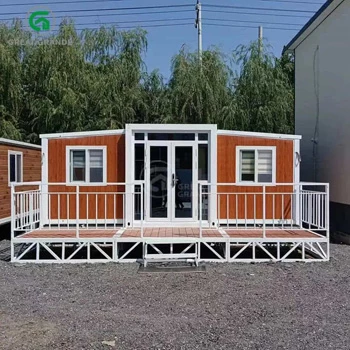
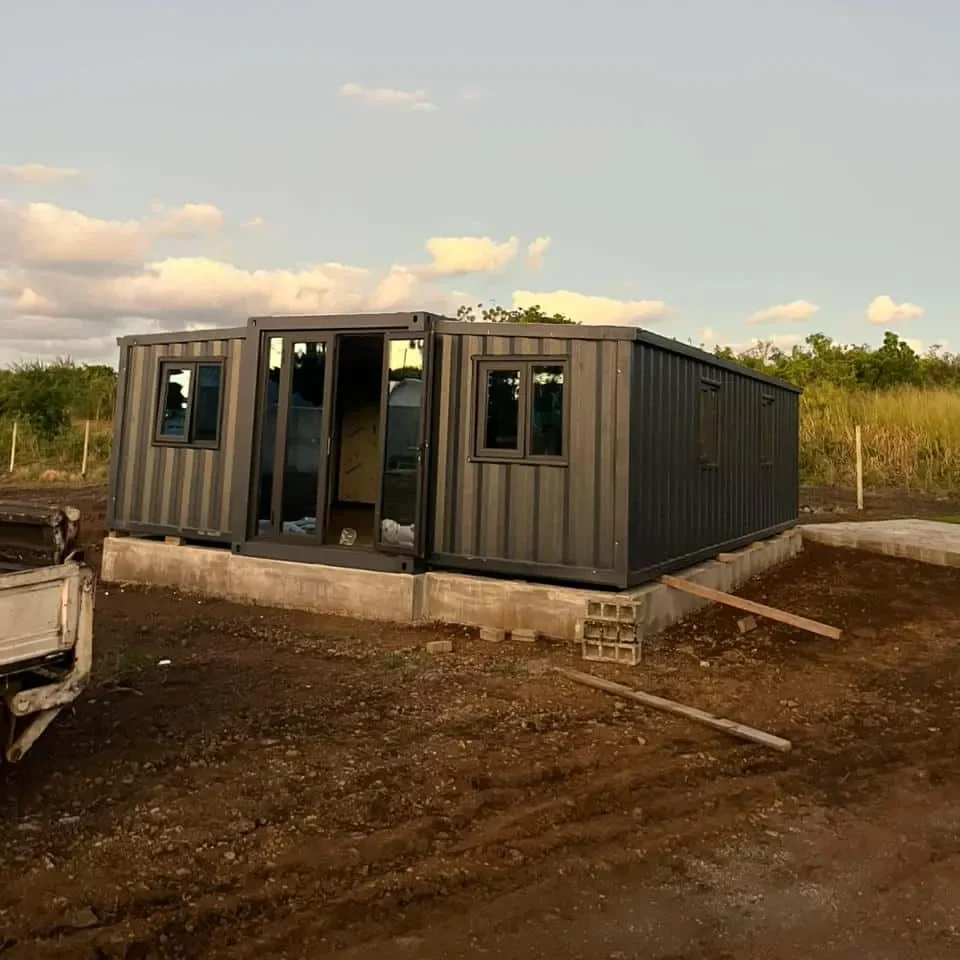
Foldable, or expanding, tiny homes are revolutionizing the portable housing market. Unlike traditional tiny houses on wheels (THOWs), which are limited in width by road regulations, foldable designs transport compactly but expand significantly once on-site. This ingenious mechanism provides substantially more living space, often doubling or tripling the interior area, making them far more comfortable for long-term habitation.
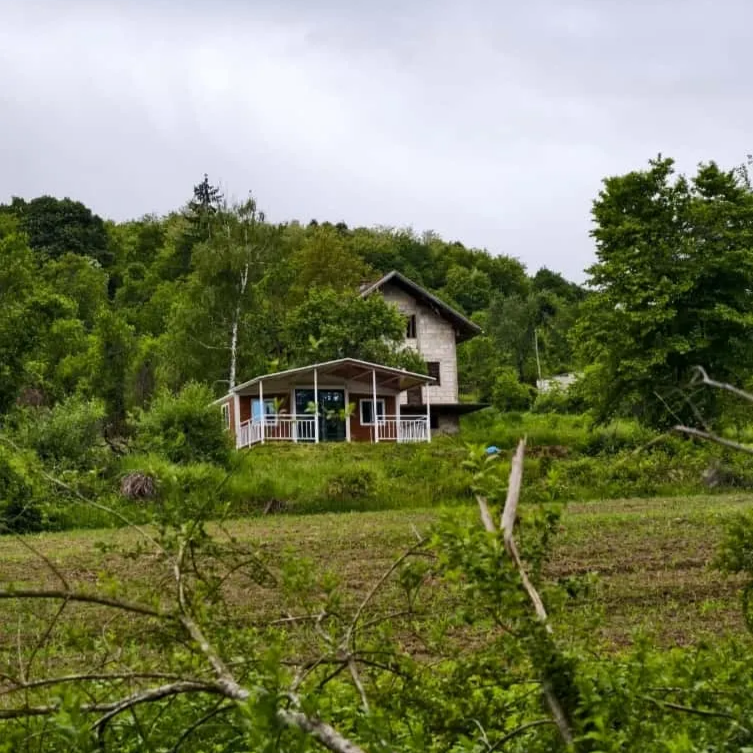
The true potential of these structures is unlocked when they are severed from the grid. By incorporating specialized off grid tiny house systems, owners can deploy their expanding homes in pristine, remote environments, from secluded forests to expansive deserts, without sacrificing modern conveniences. The key lies in understanding how to harvest natural resources and manage waste efficiently.
Harnessing the Sun: Solar Power for Expanding Homes
When it comes to off-grid power, solar energy is the most practical, reliable, and popular solution. Designing a system for solar for folding homes presents unique opportunities and challenges due to their transforming nature.
Calculating Your Energy Needs
The first step in designing any solar system is conducting a thorough energy audit. You must determine your daily power consumption in watt-hours (Wh). This involves listing all electrical appliances you plan to use, their wattage, and the estimated hours of use per day.
Typical appliances in an off-grid setup might include:
- LED Lighting
- Energy-efficient refrigerator (often 12V or 24V DC)
- Water pump
- Laptops and phone chargers
- Ventilation fans
- Cooking appliances (if electric, though propane is often preferred for off-grid cooking to save battery capacity)
Components of a Solar Power System
A reliable off-grid solar system consists of several crucial components that work together to capture, store, and distribute energy.
- Solar Panels: These capture sunlight and convert it into direct current (DC) electricity. The unique challenge with foldable homes is panel placement. While traditional tiny homes often mount panels permanently on the roof, expanding homes may require flexible panels, ground-mounted arrays, or panels integrated into the folding roof sections that deploy automatically.
- Charge Controller: This device regulates the voltage and current coming from the solar panels to the battery bank, preventing overcharging and extending battery life. Maximum Power Point Tracking (MPPT) controllers are highly recommended for their efficiency.
- Battery Bank: This is the heart of your off-grid electrical system, storing the energy generated during the day for use at night or on cloudy days. Lithium iron phosphate (LiFePO4) batteries are the gold standard for tiny homes due to their deep discharge capabilities, light weight, and long lifespan, despite a higher initial cost compared to lead-acid batteries.
- Inversor: Most household appliances run on alternating current (AC). The inverter converts the DC electricity stored in your batteries into usable AC power. Selecting a pure sine wave inverter is crucial for running sensitive electronics safely.
Sizing Considerations for Foldable Structures
Because the footprint of a foldable home changes, the solar array must be adaptable. Many owners opt for a hybrid approach: a smaller array permanently mounted on the main central roof section to power essential systems during transport or setup, supplemented by a larger, portable ground-mounted array (like solar suitcases) deployed once the home is fully expanded.
| Componente | Recommendation for Typical Off-Grid Tiny House | Notes |
| Solar Array | 1000W – 2500W | Depends heavily on energy audit and geographic location. |
| Battery Bank | 400Ah – 800Ah (at 12V or 24V) | Lithium (LiFePO4) strongly preferred for weight and lifespan. |
| Inverter | 2000W – 3000W Pure Sine Wave | Must handle the surge wattage of the largest appliance. |
| Charge Controller | MPPT (Sized appropriately for array) | Ensures maximum efficiency from panels. |
Sourcing and Managing Water Off-Grid
Securing a reliable water supply is often more challenging than generating electricity when living off-grid. A well-designed water system for an off grid foldable tiny house involves sourcing, storage, filtration, and conservation.
Sourcing Water
Depending on your location, you have several options for acquiring water:
- Captación de agua de lluvia: This is a popular and sustainable method. The large expanded roof area of a foldable home can be surprisingly effective for harvesting rainwater. Gutters and downspouts direct water into storage tanks.
- Freshwater Delivery: For locations with limited rainfall, having water delivered by truck to fill a large holding tank is a practical, though recurring, expense.
- Natural Sources: If situated near a clean stream, river, or lake, you can pump water directly. However, rigorous filtration and purification are absolutely mandatory.
- Well Water: If you own the land and plan a semi-permanent installation, drilling a well offers the most reliable long-term solution, though the initial cost is significant.
Water Storage and Delivery
Water is heavy (roughly 8.3 lbs per gallon), so storage capacity and location must be carefully considered, especially in a mobile structure.
- Freshwater Tanks: These should be made of food-grade, BPA-free plastic. In colder climates, tanks must be installed inside the insulated envelope of the house to prevent freezing, or equipped with heating pads powered by your solar system.
- Water Pump: A 12V DC water pump is standard. It draws water from the tank and pressurizes the plumbing lines, delivering water to your sinks and shower just like a municipal system. An accumulator tank is highly recommended to reduce pump cycling and ensure smooth water pressure.
Filtration and Purification
Regardless of the source, water must be treated before consumption. A multi-stage filtration system is essential:
- Sediment Filter: Removes large particles like dirt and rust (typically 5 to 20 microns).
- Carbon Block Filter: Removes chlorine, bad tastes, odors, and some organic chemicals.
- Purification Stage: To ensure water is biologically safe, you must eliminate bacteria and viruses. Options include UV (ultraviolet) light purifiers (which require electricity) or sub-micron ceramic filters. Reverse Osmosis (RO) systems provide excellent purification but waste a significant amount of water, making them less ideal for off-grid conservation.
Waste Management: Handling the Unmentionables
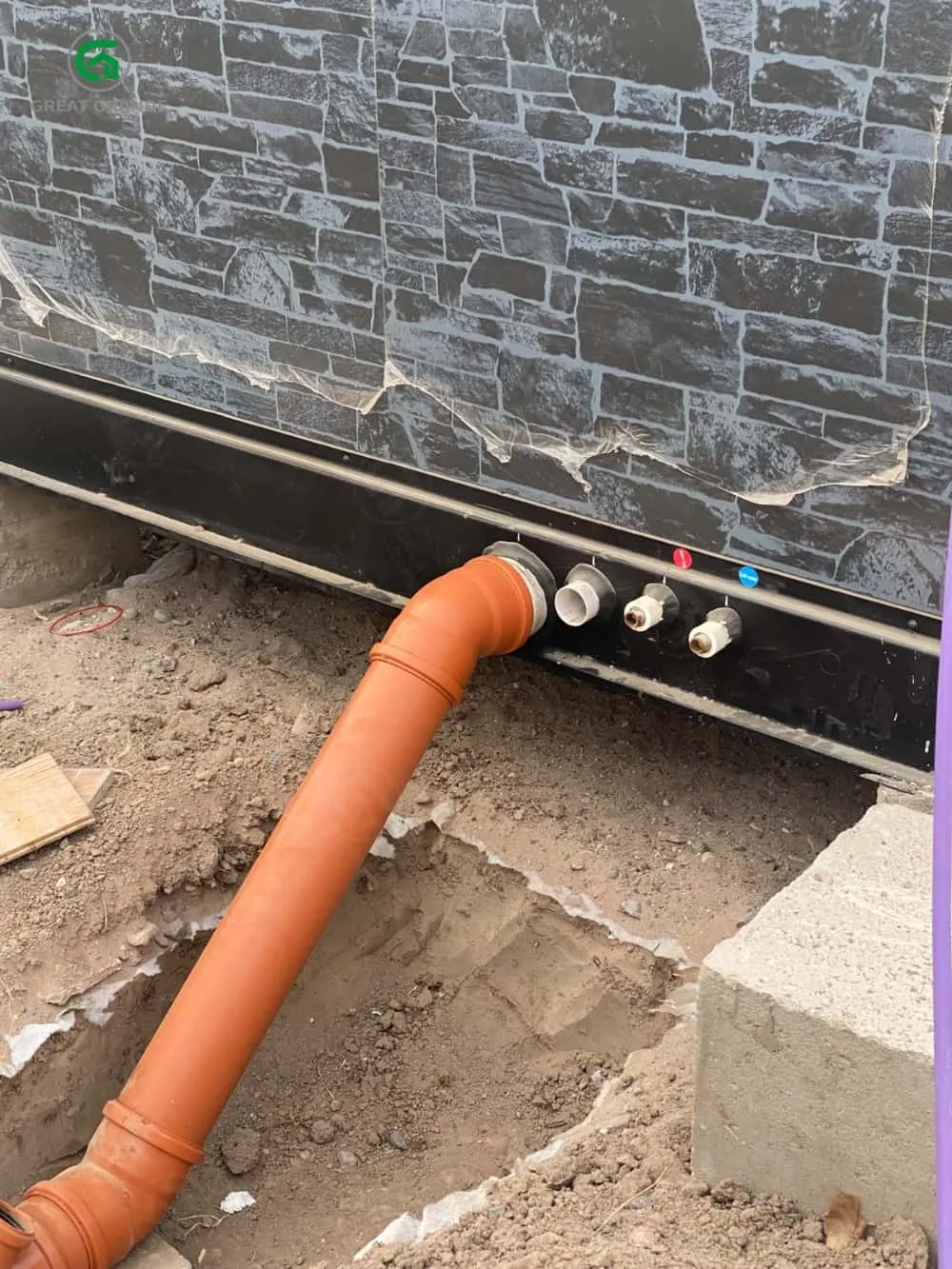
Proper waste management is critical for health, hygiene, and environmental stewardship when operating independently of municipal sewer systems. In a tiny home environment, this primarily involves handling greywater and blackwater.
Greywater Systems
Greywater is the wastewater from sinks, showers, and washing machines (excluding toilets). While not as hazardous as blackwater, it must still be managed properly.
- Collection and Disposal: The simplest method is directing greywater into a portable holding tank (like a tote) for periodic emptying at approved dumping stations.
- Filtration and Discharge: If local regulations permit, greywater can be filtered and discharged onto the landscape. A common method involves passing the water through a grease trap and then into a branched drain system or a constructed wetland that utilizes specific plants to naturally filter the water before it returns to the soil. Always check local zoning and environmental regulations before discharging greywater outdoors.
Blackwater and Toilets
Blackwater is wastewater containing human waste. Traditional flush toilets are rarely practical off-grid due to the immense amount of water they consume and the need for large blackwater holding tanks or complex septic systems.
Instead, off-grid dwellers typically utilize alternative toilet systems:
- Composting Toilets: The most popular choice for tiny homes. These systems separate liquids (urine) from solids. The solids are mixed with a carbon-rich material (like peat moss, coconut coir, or sawdust) to facilitate aerobic decomposition, transforming waste into safe, usable compost over time. They use zero water and, when managed correctly, produce no odor.
- Incinerating Toilets: These use electricity or propane to burn waste into a sterile ash. They are extremely hygienic and require very little maintenance, but they draw significant power or fuel, which must be factored into your energy budget.
- Cassette Toilets: Common in RVs, these feature a small, removable blackwater holding tank (the “cassette”) that must be manually emptied at an RV dump station or public restroom. While simple, they require frequent emptying and the use of chemical deodorizers.
Heating and Cooling Your Expanding Sanctuary
Maintaining a comfortable interior climate requires specific strategies when relying on limited off-grid resources. The fold-out sections of expanding homes can sometimes be challenging to insulate effectively, making efficient climate control even more vital.
Heating Options
Electric heating (like space heaters) draws an exorbitant amount of power and is generally unfeasible for solar-powered setups.
- Wood Stoves: Small, highly efficient wood stoves designed specifically for tiny spaces (like those used in boats) are incredibly popular. They provide intense dry heat, require no electricity, and use a renewable, often locally available, fuel source.
- Propane Heaters: Vented propane heaters (such as direct-vent marine heaters) are reliable, efficient, and offer thermostat control. They require careful installation to ensure proper venting of exhaust gases and a safe storage location for propane tanks.
- Diesel Heaters: Originally designed for trucks and RVs, these small units are highly efficient, drawing minimal DC power for the fan and using very little diesel fuel to produce significant heat.
Cooling Strategies
Cooling is often more energy-intensive than heating if relying on mechanical systems.
- Passive Cooling: The first line of defense is smart design. Utilize cross-ventilation by opening windows on opposite sides of the home. Awnings and reflective window coverings prevent solar heat gain. The ability to orient your home to catch prevailing winds is a distinct advantage of mobility.
- Fans: High-efficiency DC powered ceiling fans or strategically placed oscillating fans create airflow and significantly improve comfort for a fraction of the energy used by air conditioning.
- Mini-Split Air Conditioners: If you live in a truly hot climate and air conditioning is non-negotiable, a high-efficiency (high SEER rating) mini-split heat pump is the best option. However, running an AC unit requires a substantially oversized solar array and battery bank, significantly increasing the cost of your off grid tiny house systems.
Connectivity in Remote Locations
Being off-grid doesn’t necessarily mean being disconnected. Reliable internet is crucial for remote work, navigation, and entertainment.
- Cellular Routers: If your location has a usable cell signal, a robust 4G/LTE or 5G cellular router with external directional antennas can provide excellent internet speeds.
- Satellite Internet: For truly remote locations beyond cellular reach, low-earth orbit (LEO) satellite internet services (like Starlink) have revolutionized off-grid connectivity, offering high-speed, low-latency internet almost anywhere, provided you have a clear view of the sky. Keep in mind that satellite dishes require continuous AC power, which must be factored into your solar calculations.
Integrating Systems for Maximum Efficiency
The true art of off-grid living in a mini casa plegable lies in system integration. Your power, water, and heating systems are interconnected. For instance, you might use excess solar power during peak daylight hours to run a high-draw appliance like a washing machine or a watermaker (if near the ocean), conserving battery power for the night. You might route the heat generated by your refrigerator’s compressor to help warm your freshwater tank compartment.
Successful off-grid living requires a shift in mindset from passive consumption to active resource management. You become acutely aware of the weather, your water levels, and your battery state of charge. While this requires more active participation than living in a traditional home, the reward is unparalleled independence, a profound connection to your environment, and the incredible freedom to unfold your life wherever the road takes you.
Why Choose Grande Folding Container House
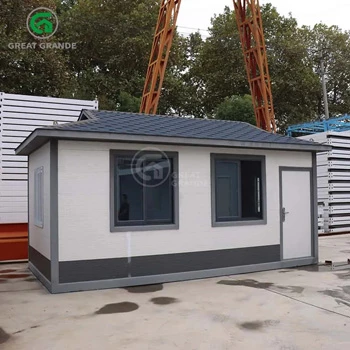
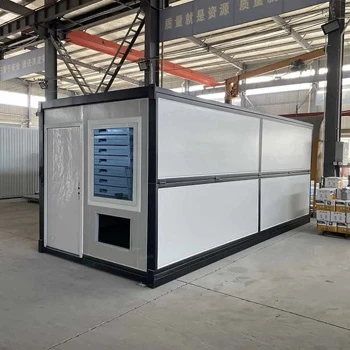
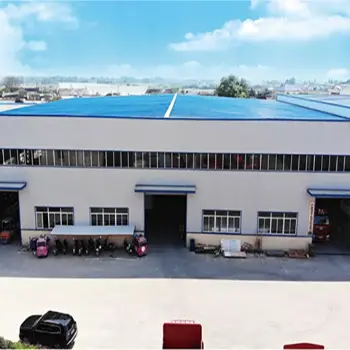
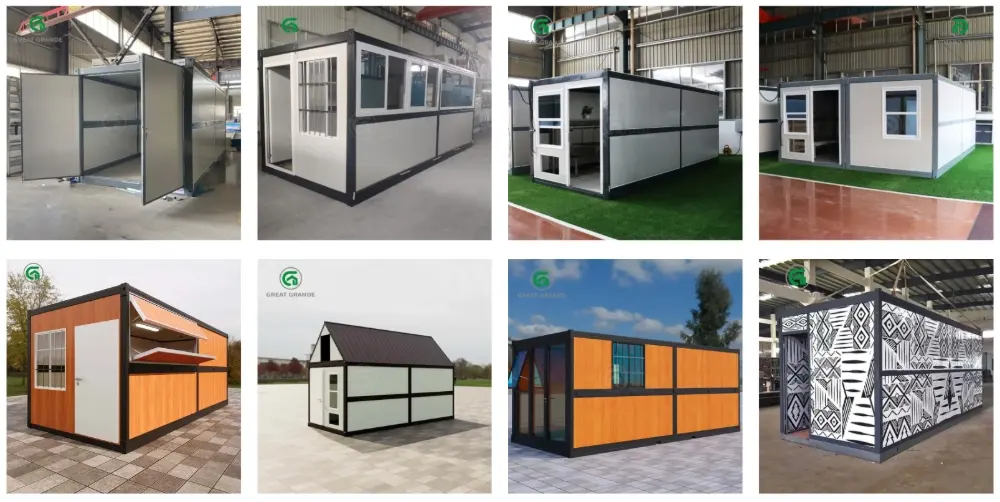
Grande Modular Housing specializes in folding container houses, backed by an in-house R&D center and multiple patented designs. Our strong supply chain and robust production capacity ensure consistent quality and reliable delivery. Folding units deploy quickly, significantly reducing transportation costs, and are ideal for labor camps, emergency relief, and other temporary applications. We provide a dedicated after-sales team offering maintenance, technical support, and problem resolution to keep your units performing reliably over their lifecycle. With global B2B experience and OEM/ODM capabilities, Grande is committed to delivering high-performance modular housing solutions that meet the diverse needs of customers worldwide.
Preguntas frecuentes
How much does it cost to set up off-grid systems for a foldable tiny house?
The cost varies wildly depending on your energy needs, location, and the quality of components you choose. A basic solar setup (panels, controller, small battery, inverter) might cost around $3,000 – $5,000. However, a robust, full-time off-grid system featuring a large lithium battery bank, advanced water filtration, a high-quality composting toilet, and reliable climate control can easily range from $15,000 to over $30,000. It is often the most significant investment after the purchase of the house itself.
Are foldable tiny houses harder to keep warm or cool off-grid compared to traditional tiny houses?
They can be. Traditional Tiny Houses on Wheels (THOWs) have rigid walls that can be densely insulated during construction. Foldable homes have hinges, joints, and sometimes thinner wall panels in the expanding sections, which can introduce thermal bridging and air leaks. It is crucial to choose a foldable home built with high-quality structural insulated panels (SIPs) and robust sealing mechanisms. You may also need to rely slightly more on active heating or cooling systems (like a slightly larger wood stove or better ventilation) to maintain comfort.
Can I use regular household appliances in an off-grid tiny house?
While you can use standard AC appliances by running them through an inverter, it is rarely the most efficient choice. Standard appliances, especially those involving heating elements (electric kettles, toasters, hair dryers, electric stoves), draw massive amounts of power that can quickly deplete a battery bank. For off-grid living, it is highly recommended to seek out energy-efficient appliances, prioritize DC-powered devices (like 12V refrigerators and lighting) to avoid inverter conversion losses, and use alternative fuels (like propane) for cooking and heating water.