


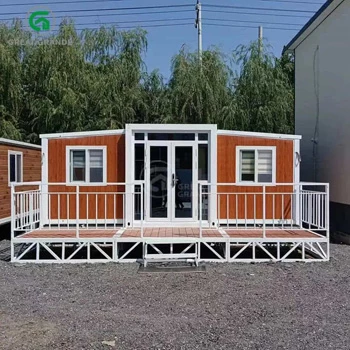
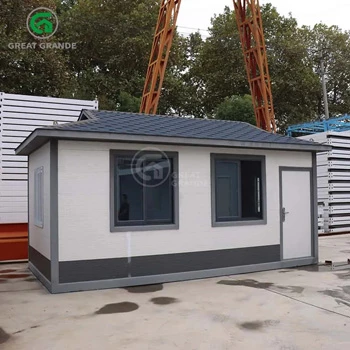
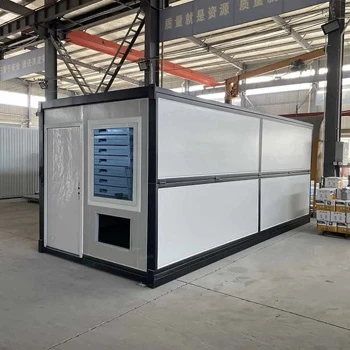

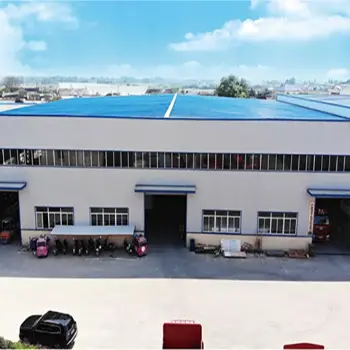


Finding the right container house manufacturer is one of the most important steps for overseas brands, importers, and project buyers who want to develop customized modular housing products. The quality of your factory partner will directly affect product quality, lead time, project stability, and long-term brand growth.
In today’s global modular construction market, container houses are widely used for worker housing, temporary accommodation, site offices, commercial spaces, holiday resorts, and emergency shelters. Buyers are no longer looking only for low prices. They are looking for a reliable partner who can deliver consistent quality, support customization, protect intellectual property, and understand export requirements.
Inhaltsverzeichnis
Why Choosing the Right Factory Matters
A container house is not a simple standard product. It involves steel structure fabrication, welding, insulation, waterproofing, doors and windows, electrical systems, surface treatment, and shipping preparation. If any part of the process is weak, the final product may have quality issues, installation problems, or shipment delays.
That is why selecting a qualified factory is more important than comparing quotations alone. A professional manufacturer should be able to support design review, sample development, production control, quality inspection, and export documentation. For overseas brands, this is especially important because the wrong supplier can lead to costly rework, warranty claims, and damaged market reputation.
Check Real Factory Capability
When evaluating a container house manufacturer, the first thing to review is real production capability. A trustworthy factory should have a physical production site, experienced workers, stable equipment, and a clear manufacturing process. It should also be able to show you past projects, production videos, workshop photos, and export experience.
Here are the main points to check:
- Does the factory have its own workshop or is it only a trading company?
- Can it provide production equipment details and workshop images?
- Has it handled overseas projects before?
- Does it have the capacity to support long-term or repeat orders?
- Can it handle both standard and customized container house products?
For overseas buyers, factory size is not the only factor. What matters most is consistency, communication, and the ability to deliver on time.
Review the Sample Process
Before placing a bulk order, always request a sample or prototype. This is one of the best ways to evaluate whether the factory can meet your design expectations and quality standards. The sample stage is especially important for container house ODM projects, where the supplier may also contribute to product development.
A good sample should confirm:
- Structural accuracy.
- Welding quality.
- Door and window installation.
- Waterproof performance.
- Insulation and thermal performance.
- Surface finish and color consistency.
- Electrical and accessory installation.
You should also clarify sample cost, sample lead time, and whether the sample fee can be deducted from the bulk order. Once the sample is approved, make sure the final mass production follows the signed sample exactly.
Ask About Certifications and Compliance
If you plan to sell or use container houses in overseas markets, compliance is critical. Different countries may require different certifications, testing reports, or product standards. A reliable factory should understand export compliance and be able to provide the required documents.
Depending on your target market, you may need to check:
- Quality management certificates.
- Structural or material testing reports.
- Fire resistance or waterproof test results.
- Electrical compliance standards.
- Market-specific regulations for installation or use.
This is especially important for projects in Europe, the Middle East, North America, and other regulated markets. If the factory has previous export experience in your target region, that is a strong advantage.
Protect Your Intellectual Property
For overseas brands, intellectual property protection should never be ignored. If you are sharing drawings, specifications, 3D files, or custom design ideas with the factory, you need to make sure your product information is protected.
Before moving forward, confirm the following:
- Who owns the design drawings and technical documents?
- Can the factory reuse your design for other customers?
- Will the factory sign a confidentiality agreement?
- Who owns the molds, tooling, or special components?
- Are there any exclusive production terms?
A qualified partner should be willing to respect confidentiality and clearly define ownership in the contract. If you are building a long-term brand, this is one of the most important parts of the cooperation.
Understand MOQ and Tooling Costs
Many buyers focus only on unit price, but for custom container houses, you also need to consider MOQ, tooling costs, and development fees. A lower unit price may not always mean lower total cost, especially if the project requires custom dimensions, special parts, or structural modifications.
Before signing, make sure to ask:
- What is the minimum order quantity?
- Is small-batch trial production supported?
- Is tooling or mold cost required?
- Can the tooling cost be shared or deducted later?
- Will customization affect lead time?
For overseas brands, a practical approach is to start with a small pilot order, test the market, and then scale up production once demand is confirmed.
Confirm Lead Time and Delivery Planning
Lead time is another key factor when choosing a factory. Container house projects are often tied to site schedules, seasonal demand, project launches, or overseas stock planning. A dependable factory should provide a clear production timeline from order confirmation to final shipment.
You should confirm:
- How many days are needed for sample development?
- When will production start after deposit?
- How long does mass production take?
- Can the factory support partial shipment?
- What happens if the delivery is delayed?
A good factory will not just say “no problem.” It will give you a realistic schedule and explain how each stage will be managed.
Review Contract Terms Carefully
A clear contract is essential for any OEM or ODM cooperation. Many problems happen not because of the product itself, but because the agreement was too vague. To avoid disputes, your contract should clearly define the technical, commercial, and legal terms.
Important points to include:
- Product specifications and material standards.
- Sample approval and mass production consistency.
- Payment terms and deposit schedule.
- MOQ, lead time, and delay penalties.
- Quality inspection and acceptance criteria.
- Intellectual property and confidentiality clauses.
- Warranty and after-sales support.
- Dispute resolution and governing law.
If you are an overseas buyer, it is smart to have the contract reviewed by someone familiar with international trade and manufacturing. This can save time, money, and legal risk later.
Best Cooperation Process for Overseas Buyers
For overseas brands, the best cooperation model is usually a step-by-step process: supplier screening, sample confirmation, small trial order, and then stable mass production. This approach reduces risk and helps you verify quality before making a larger commitment.
A professional container house manufacturer should be able to support this process with clear communication, engineering suggestions, and export-ready service. If the supplier only offers a low price but cannot provide technical support or quality assurance, it may not be the right long-term partner.
Abschluss
Choosing a qualified container house OEM oder container house ODM factory is not just about price. It is about finding a partner that can support quality, customization, compliance, intellectual property protection, and stable delivery.
At grande-house, we focus on helping overseas clients develop reliable customized container house solutions with professional manufacturing support and export-oriented service. From factory evaluation and sample development to production control and shipment planning, we aim to make every cooperation clearer, safer, and more efficient.
If you are looking for a trusted customized container house partner, grande-house is ready to support your next project with practical solutions and long-term cooperation value.