





Table of Contents
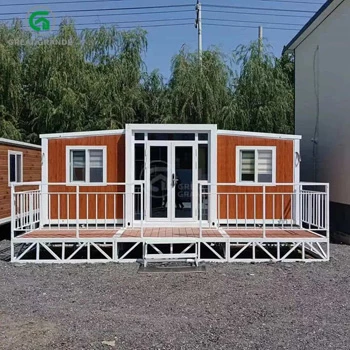
As construction projects place greater emphasis on speed, flexibility, and efficient use of space, modular buildings are being considered for an increasingly wide range of applications. An expandable container house is particularly suitable for projects that need usable space to be created quickly without relying entirely on conventional construction methods.

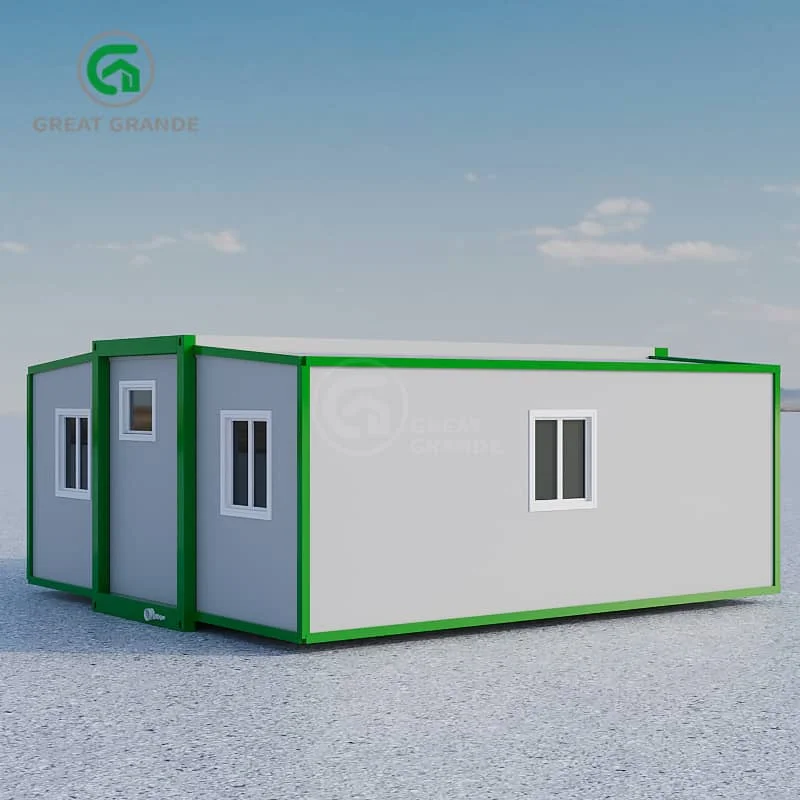

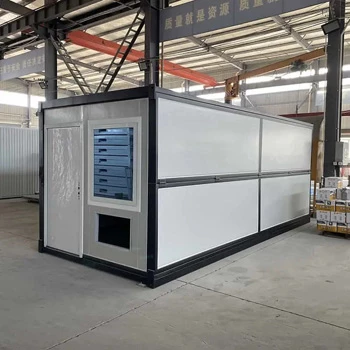
Unlike traditional buildings designed around a fixed location and permanent structure, an expandable container house can be transported in a relatively compact configuration and expanded after arriving at the project site. This makes it a practical option for accommodation, temporary facilities, remote projects, commercial spaces, and other applications where deployment flexibility matters.
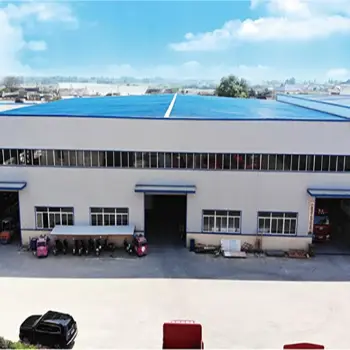
Grande Modular Housing (Anhui) Co., Ltd. focuses on modular and foldable housing solutions designed for different project requirements and customized applications. Its manufacturing capabilities and export experience support customers looking for modular housing solutions for different markets.
Why Application Matters When Choosing an Expandable Container House
Not every project has the same requirements.
A construction company may need worker accommodation close to a job site, while a resort developer may place greater emphasis on guest comfort and appearance. An organization responding to an emergency may prioritize deployment speed, while a remote project may be more concerned with transportation and environmental conditions.
For this reason, choosing a modular house should begin with the intended application rather than simply the building size. Buyers should consider where the unit will be used, how many people it needs to accommodate, how much space is required, and whether the unit may need to be relocated or reused in the future.
Matching Applications with the Right Configuration
Different applications may require different configurations. Choosing the appropriate size and layout at the beginning can make transportation, installation, daily use, and future expansion easier to manage.
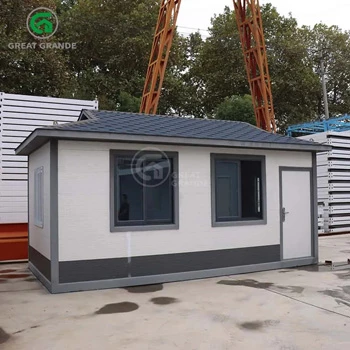
The available product range includes 20FT, 40FT, and Mini configurations, providing several options for different project requirements.
| Application | Recommended Starting Point | Main Priority |
| Small office | 20FT | Efficient use of space |
| Guest accommodation | 20FT / Mini | Comfort and layout |
| Construction camp | 20FT / 40FT | Capacity and durability |
| Resort project | Multiple units | Appearance and customization |
| Remote accommodation | 20FT / 40FT | Transportation and climate suitability |
| Emergency housing | Multiple units | Deployment and logistics |
| Pop-up commercial space | 20FT | Layout and visibility |
| Residential expansion | 20FT / larger configuration | Living comfort and customization |
These configurations should be treated as starting points rather than fixed rules. The final selection should take into account the number of occupants, site conditions, transportation limitations, interior functions, local regulations, and potential future use.
For example, a compact 20FT configuration may be suitable for a small office or individual accommodation unit, while larger projects may benefit from 40FT units or multiple modular units. For hospitality and commercial projects, customization and layout can be more important than simply maximizing floor area.
Understanding these differences makes it easier to determine where an expandable container house can provide the most practical value.
1. Construction Sites and Worker Accommodation
Construction projects often face a practical challenge: workers need accommodation and supporting facilities before the permanent project is completed.
An expandable modular house can be used as a temporary living unit, site office, rest area, or dormitory. Because the structure can be transported in a compact configuration and expanded at the destination, it can be useful when conventional construction is inconvenient during the early stages of a project.
For construction companies, the focus should not be limited to appearance. The unit also needs to provide functional interior space, withstand regular use, and fit the logistical conditions of the construction site.
Potential applications include:
- Worker accommodation
- Site offices
- Rest areas
- Temporary meeting rooms
- Security or management facilities
- Supporting facilities for construction camps
This application is particularly useful when project locations change over time or when temporary facilities are only required for a defined construction period.
2. Remote Projects and Off-Site Accommodation
Remote construction, mining, agricultural, energy, and infrastructure projects can create additional challenges for traditional construction.
Transporting large quantities of conventional building materials to an isolated location may require considerable logistical planning. Access to skilled labor and construction resources can also be limited when a project is far from established towns or cities.
A portable expandable house offers an alternative approach by allowing much of the building to be prepared before transportation. Once delivered to the site, the structure can be expanded and fitted out according to its intended use.
For remote applications, buyers should pay particular attention to:
- Transportation dimensions
- Site accessibility
- Foundation requirements
- Insulation performance
- Local climate
- Electrical and plumbing requirements
- Maintenance access
The 20FT product range uses a galvanized steel frame and is designed around transport and deployment flexibility. The product series also includes 20FT, 40FT, and Mini configurations for different project requirements.
3. Vacation Cabins, Resorts, and Glamping Projects
The hospitality industry is another area where expandable housing can be useful.
Resort operators and glamping developers often need individual accommodation units that can be installed relatively quickly while still providing a comfortable interior environment.
Unlike a basic temporary shelter, a properly configured Expandable Container House can include bedrooms, bathrooms, kitchens, living areas, doors, windows, and other facilities required for guest accommodation.
For hospitality projects, priorities may include:
- Attractive exterior appearance
- Comfortable interior layout
- Efficient land utilization
- Private accommodation units
- Customized interior finishes
- Flexible accommodation capacity
This makes expandable housing worth considering for small resorts, countryside accommodation, glamping sites, holiday cabins, and similar tourism projects.
The flexibility of modular construction can also support phased development. A developer may begin with a smaller number of units and add more accommodation as demand grows, subject to local planning and building requirements.
4. Emergency Housing and Temporary Shelters
When communities are affected by natural disasters or other emergencies, conventional construction may take too long to provide immediate accommodation.
An Expandable Container House can be considered for emergency housing because units can be transported to designated locations and deployed as temporary living spaces.
Potential uses include:
- Emergency accommodation
- Temporary family housing
- Relief-worker accommodation
- Medical support spaces
- Temporary administrative offices
- Community support facilities
For emergency projects, deployment speed is only one consideration. Transportation access, local regulations, climate, utility availability, site preparation, and required safety standards should also be evaluated before large-scale deployment.
5. Temporary and Semi-Permanent Offices
An expandable modular building does not necessarily have to be used as a home.
For companies that need additional office space, an expandable modular house can provide an alternative to constructing a permanent extension. It can serve as a project office, sales office, site management office, meeting room, or temporary workspace.
For example, a property developer may require an on-site sales office before the main development is completed. A construction company may need a project management office close to a building site. A farm or industrial facility may need additional administrative space without undertaking major construction work.
In these situations, the main benefit is the ability to create usable enclosed space while maintaining greater flexibility than a conventional permanent building.
6. Pop-Up Commercial Spaces
The commercial potential of expandable housing extends beyond accommodation.
With appropriate customization, an expandable structure can be used for small commercial facilities such as:
- Outdoor cafés
- Pop-up stores
- Ticket offices
- Exhibition spaces
- Information centers
- Temporary service points
- Small retail facilities
For these applications, appearance and layout become particularly important. A business may need large windows, service counters, customized exterior finishes, lighting, signage, or an open interior configuration.
Customization capability can therefore be an important factor when selecting a supplier for commercial projects.
7. Additional Residential Space
Expandable housing can also be considered when an existing property requires additional space.
For example, homeowners may need:
- A guest room
- A home office
- Accommodation for family members
- A small independent living unit
- A backyard studio
- A rental unit
Instead of carrying out a major extension to an existing building, an independent modular unit can provide another way to create additional usable space.
For residential projects where transportation flexibility and compact deployment are important, a portable expandable house may provide an alternative to more conventional building approaches.
However, buyers should always check local planning, zoning, foundation, utility, and building-code requirements before installing a residential modular unit.
What Should Buyers Check Before Selecting One?
Once the intended application and configuration have been identified, buyers can evaluate the product from several practical perspectives.
1. Transportation
Consider the available transport route, loading equipment, destination accessibility, and shipping requirements before confirming the configuration.
The transportation condition can directly affect which size is practical for a particular project, especially when the final destination is located in a remote area.
2. Expansion and Installation
The deployment process should match the capabilities of the project team.
Buyers should understand how the structure is expanded, what equipment may be required, and what site preparation needs to be completed before installation.
3. Structural Materials
The frame, wall panels, roofing system, doors, windows, and connecting components all contribute to the building’s overall performance.
The use of a galvanized steel frame can provide a structural foundation for transportation, installation, and regular use. However, buyers should also evaluate the complete building system rather than judging quality from a single component.
4. Interior Configuration
A worker accommodation unit may need a different layout from a resort cabin or office.
Before placing an order, buyers should consider bedrooms, bathrooms, kitchens, work areas, storage, doors, windows, electrical systems, and other project-specific requirements.
5. Local Climate
Temperature, humidity, wind, rain, snow, and other environmental conditions should be considered when selecting insulation, wall panels, roofing, windows, and other components.
A product suitable for a mild climate may require different specifications when used in an area with extreme temperatures or severe weather.
6. Future Use
If the unit may be relocated or reused later, transportation and structural flexibility become more important.
If it will remain in one location for many years, buyers may place greater emphasis on long-term comfort, durability, maintenance, and compliance with local building requirements.
Why Expandable Container Houses Fit Flexible Projects
The main reason to consider an expandable housing system is not simply that it is a different type of building. Its value comes from combining transportability, usable space, modular construction, and customization in one structure.
For projects where conditions can change, this flexibility can be particularly useful.
A construction company may move accommodation facilities after completing one project. A tourism operator may add units as its business develops. A remote project may require accommodation where conventional construction would be difficult.
Instead of designing a building entirely around a fixed location, buyers can consider a structure that is better adapted to changing project requirements.
Frequently Asked Questions
1. Are expandable container houses suitable for permanent accommodation?
They can be used for residential and semi-permanent applications, but suitability depends on the product specification, site conditions, local building codes, foundation requirements, and intended service life. Buyers should confirm these requirements before installation.
2. Can an expandable container house be used as an office?
Yes. Depending on the configuration, it can be designed as a site office, project office, meeting room, sales office, or other temporary workspace.
3. Are expandable container houses suitable for remote locations?
They can be a practical option for remote projects because transportation and deployment flexibility are important advantages. However, buyers should evaluate road access, lifting equipment, foundations, utilities, climate, and local regulations before selecting a unit.
4. Can expandable container houses be customized?
Yes. Customization can include exterior appearance, interior layout, doors and windows, insulation, electrical systems, and other project-specific features. The exact customization options depend on the selected model and supplier.
5. What industries can use expandable container houses?
Potential applications include construction, tourism, hospitality, emergency relief, agriculture, remote projects, commercial services, and residential development. The most suitable configuration depends on the project’s specific requirements.
6. How do I choose the right size?
Start with the intended use and number of occupants rather than choosing a size based only on available site space. Then consider furniture, bathrooms, kitchens, work areas, transportation restrictions, and future expansion needs.
Conclusion
An Expandable Container House can be more than a temporary accommodation unit. Its combination of transportability, expandable space, modular construction, and customization makes it suitable for a variety of projects, from construction camps and remote accommodation to resorts, offices, emergency housing, and small commercial facilities.
The most important step is to match the product configuration with the actual project environment. By considering transportation, climate, installation, interior requirements, regulations, and future use together, buyers can make a more practical decision and avoid choosing a unit that does not fit the intended application.
Grande Modular Housing (Anhui) Co., Ltd. provides modular housing products for different project requirements, with a focus on manufacturing, customization, and customer support. Its experience in foldable and modular housing allows it to support buyers looking for flexible building options for different markets and applications.