


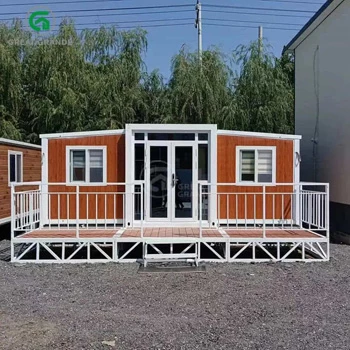
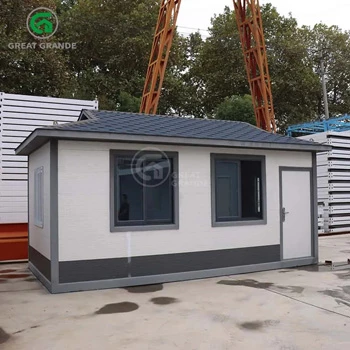
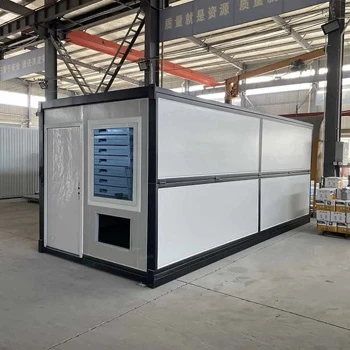


With its superior physical parameters of resisting winds up to level 11 and earthquakes up to level 10, the folding house creates a safe, durable, and internationally compliant (CE/ISO/SGS) modular living solution.
In the realm of modern architecture, the folding container house is often viewed as a miracle of space-saving design.
However, for engineers and developers, the real magic isn’t in how it folds—it’s in how it stands. To achieve a structure that is both mobile and permanent-grade, “robust engineering” is the guiding principle. But what exactly goes into the skeleton and skin of these units to ensure they don’t just “fold” under pressure? Let’s dive into the primary structural materials and the rigorous physics that define a high-quality folding container house.
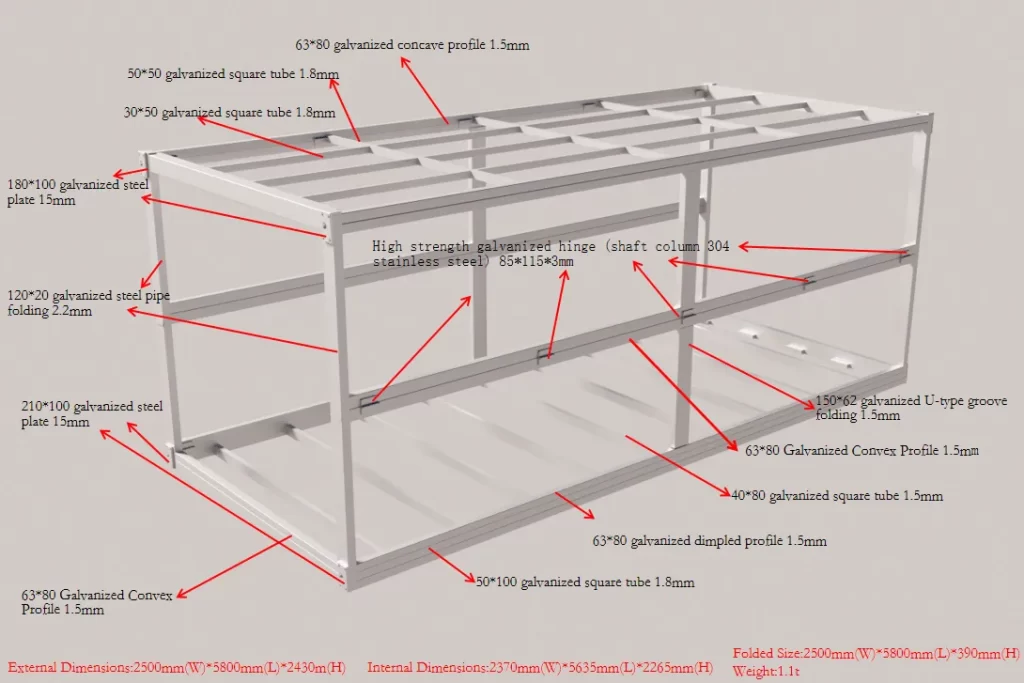
The Skeleton: High-Yield Galvanized Steel
The primary frame of a folding container house is its most critical component. Unlike traditional modular units, a folding house requires “active” joints.
- Material: We utilize high-strength Q235B/Q345B galvanized steel.
- The Benefit: The galvanization process provides a protective zinc coating that prevents oxidation and rust for over 20 years.
- Precision Engineering: Every hinge and pivot point is laser-cut to ensure that the structural integrity remains uncompromised even after hundreds of folding cycles.
The Protective Shell: Class A Fire-Rated Panels
A house is only as good as its insulation and safety ratings. For a folding container house to be viable in extreme climates, the wall systems must be more than just “thin partitions.”
- Class A Fire Protection: The core material (typically Rockwool or high-density IEPS) ensures that the structure is non-combustible.
- Thermal Efficiency: These panels act as a thermal break, keeping the interior cool in tropical heat and warm in arctic conditions, significantly reducing HVAC energy consumption.


Technical Specifications: Engineering by the Numbers
To understand why these structures are being adopted for everything from disaster relief to luxury eco-resorts, we must look at the hard data.
The following table outlines the mechanical performance of a professional-grade folding container house:
Structural Performance Data Sheet
| Roof bearing | 50 kg/m² |
| FLOOR BEARING | 50 kg/m² |
| Walkway bearing | 200 kg/m² |
| Wall-side pressure | 80 kg/m² |
| Fire Protection Level | Class A fire protection |
| Wall Deformation Coefficient | 300 kg/m² |
| Earthquake Resistance Grade | Earthquake Resistance Level 10 |
| Wind Resistance Rating | Earthquake Resistance Level 11 |
Global Compliance and Quality Assurance
Materials alone do not guarantee safety; certification does. A robust folding container house must meet international standards to ensure it can be deployed globally without legal or safety hurdles.
- CE (EN1090): This ensures the steel structures meet European health, safety, and environmental protection standards.
- ISO9001: A testament to a standardized manufacturing process where every weld and bolt is accounted for.
- SGS Certification: Third-party verification of material strength and chemical composition, providing peace of mind for B2B procurement.

Conclusion: The Future is Foldable
The folding container house is no longer a temporary solution. By leveraging Level 11 wind resistance, Level 10 earthquake resilience, and Class A fire-rated materials, these structures offer a level of “robust engineering” that rivals traditional brick-and-mortar buildings.
Whether you are looking for rapid deployment in a disaster zone or a sustainable modular office, the materials inside the frame determine the lifespan of your investment.