




Table of Contents
When choosing an expandable container house, one of the first questions buyers usually ask is how long it can actually last. Unlike a traditional building, an expandable house is designed to be transported, opened on site, and used in different locations. Its service life therefore depends on more than the structural frame alone.
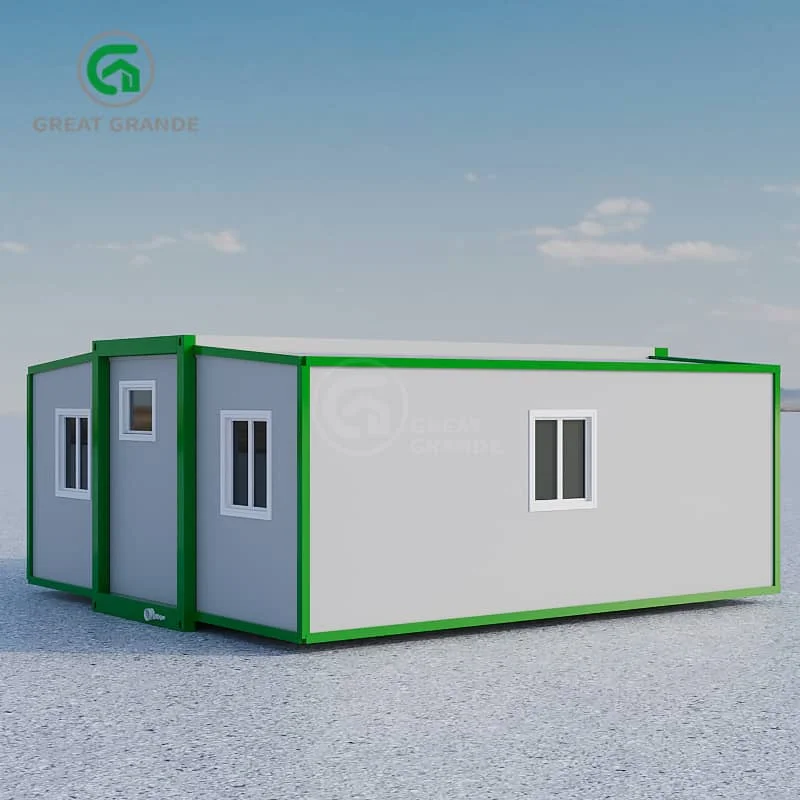

Steel quality, wall materials, corrosion protection, insulation, installation, local weather conditions, and maintenance all play a part. Understanding these factors can help buyers choose a suitable model and avoid problems later.
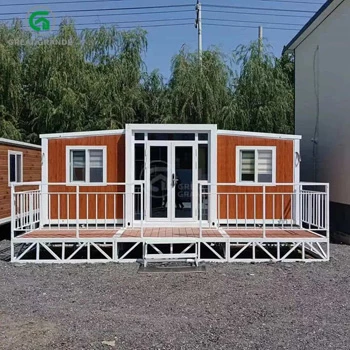
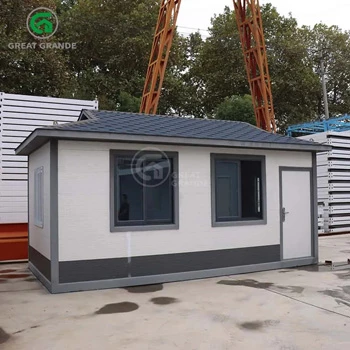
Grande Modular Housing (Anhui) Co., Ltd. manufactures expandable and folding modular houses for residential use, construction accommodation, temporary housing, emergency projects, and other applications. The company provides different configurations and customization options based on project requirements.
How Long Can an Expandable Container House Last?
There is no fixed lifespan that applies to every modular house. Two buildings with a similar appearance can have very different service lives depending on their materials, manufacturing quality, installation, and operating environment.
According to the manufacturer’s product information, its container houses can last more than 25 years with normal use and regular maintenance. In practice, however, the condition of the building matters more than a number printed on a specification sheet.
A good prefab house should retain its structural strength and basic weather protection over many years. Doors and windows, electrical systems, plumbing, insulation, roof joints, and exterior finishes also need to remain in good condition.
This is why it is useful to look at the construction of the house as a whole when assessing its expected service life.
1. The Steel Frame Makes a Major Difference
The main steel frame supports the roof, walls, floor, and internal components. In an expandable house, it also needs to cope with the folding, transportation, and opening process.
The expandable models use galvanized steel frames. Galvanizing helps protect steel from corrosion and is particularly useful where the building is exposed to moisture, rain, or changing weather conditions.
The frame also needs to be accurately manufactured. When the house is expanded on site, the structural components, hinges, connections, walls, and roof sections all need to work together correctly. Good manufacturing tolerances can make a noticeable difference to how the house performs over time.
2. Waterproofing Protects the Building From Early Damage
Water is one of the main causes of problems in any type of building. A small leak around a roof joint or wall connection may not seem serious at first, but continued moisture can eventually damage insulation, interior finishes, and metal components.
For an expandable container house, areas such as roof joints, wall connections, doors, windows, corners, and folding sections deserve particular attention.
A well-designed exterior system should keep rainwater away from the internal structure while allowing the building to handle normal movement caused by transportation and temperature changes.
Regular inspection is still important. Even a well-sealed building can develop problems if a seal is damaged or a connection becomes loose.
3. Wall Materials and Insulation Affect Daily Performance
The wall system is not only about appearance. It has a direct effect on indoor temperature, energy use, moisture control, and overall comfort.
Different models can use different wall and insulation materials depending on the application. Options across the product range include EPS, rock wool, PVC wall panels, and other configurations.
The right choice depends on where the house will be installed. A house used as a temporary office in a mild climate may have different requirements from a residential unit in a hot, cold, or humid region.
For this reason, buyers should look at the complete wall system rather than focusing on one material or panel thickness. The panel, insulation, joints, waterproofing, and exterior finish all contribute to the performance of the building.
4. Local Climate Has a Direct Effect on Lifespan
The same modular house can age differently in different parts of the world.
High humidity can increase the risk of corrosion. Coastal locations may expose the structure to salt-laden air. Strong sunlight can gradually affect exterior finishes, while large temperature changes can put additional stress on seals and joints.
When ordering an expandable container house, it is therefore important to tell the manufacturer where the building will be installed.
The climate, intended use, and expected service conditions can then be considered when selecting the frame protection, wall system, insulation, windows, doors, and other components.
5. Correct Installation Matters
A factory-built house still needs to be installed correctly.
The building should be positioned on a suitable foundation or prepared base and properly leveled before the expandable sections are opened and secured. Connections, roof components, doors, windows, and utility systems should also be checked before the house is occupied.
Poor installation can create problems that are difficult to blame on the product itself. For example, an uneven base may affect doors and windows, while incorrect sealing can increase the risk of water leakage.
For overseas projects, clear installation instructions and technical support can be especially useful. They help local installation teams understand how the house is intended to be assembled and adjusted.
6. Regular Maintenance Keeps Small Problems From Becoming Big Ones
An expandable house does not require complicated maintenance, but it should not be completely ignored after installation.
A simple inspection can include:
- Checking the roof and exterior joints for leaks
- Looking for corrosion on exposed metal surfaces
- Checking doors, windows, hinges, and locks
- Keeping drainage areas clear
- Looking for signs of moisture on interior walls or ceilings
- Checking electrical and plumbing systems
- Repairing damaged exterior finishes when necessary
These tasks are relatively simple, but they can prevent minor issues from developing into expensive repairs.
Maintenance requirements can also vary depending on the local environment. A house near the coast, for example, may need more frequent inspection of exposed metal surfaces than one in a dry inland area.
7. Transportation and Relocation Need Proper Handling
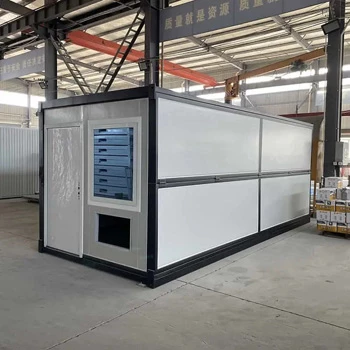
One of the reasons people choose expandable houses is their compact transportation size. The house can be transported in its folded configuration and expanded once it reaches the installation site.
However, the transportation process still needs to be handled properly. Lifting, loading, securing, unloading, and expansion should follow the manufacturer’s instructions.
Incorrect lifting or excessive force during transportation can damage hinges, connections, wall panels, or other components. If the building is expected to be moved more than once, this should be discussed with the manufacturer before choosing the product configuration.
A unit that will remain in one location for many years has different requirements from one that will be regularly relocated.
8. Manufacturing Quality Starts Long Before Installation
The lifespan of a modular house is influenced by what happens in the factory as much as what happens on the installation site.
Structural frames, wall panels, doors, windows, hinges, and other components need to be produced accurately so they fit together during both transportation and installation. This is particularly important for expandable buildings, where several sections need to move and connect as one system.
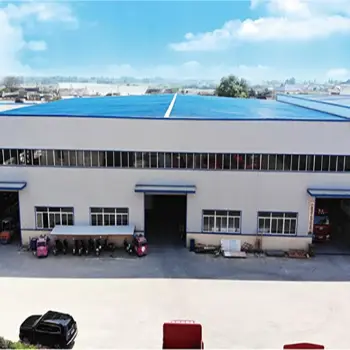
Grande Modular Housing has an established production operation and supplies expandable, folding, and other prefabricated housing solutions for international projects. Its services include product customization and after-sales support for different applications.
For buyers, this means that the manufacturer’s production experience should be considered alongside the material specification and final price.
What Should Buyers Check Before Ordering?
When comparing a prefab house, it is easy to focus on price, size, and appearance. Those factors are important, but they do not tell the whole story.
Before placing an order, buyers should ask:
- What type of steel is used for the main frame?
- How is the steel protected against corrosion?
- Which wall and insulation materials are available?
- How are the roof and wall joints sealed?
- Is the selected configuration suitable for the local climate?
- What maintenance does the manufacturer recommend?
- What after-sales support is available?
- Can the layout, insulation, doors, windows, and interior finish be customized?
Getting clear answers to these questions makes it easier to compare different suppliers and understand what is included in the quoted price.
A Practical Option for Different Housing Projects
Expandable houses are often associated with temporary accommodation, but their applications are broader than that. Depending on the design and specification, they can be used for permanent or semi-permanent residential projects, worker accommodation, emergency housing, holiday properties, offices, and other facilities.
The important point is to choose the right configuration for the intended application. A house for a family, for example, may require a different layout and insulation system from a worker dormitory or temporary site office.
The product range includes different sizes, layouts, and configurations, giving buyers room to adapt the house to their project rather than working with a single standard floor plan.
With an appropriate steel structure, suitable exterior protection, proper installation, and routine maintenance, an expandable modular house can provide years of practical service.
For projects that require a combination of factory production, customization, and technical support, Grande Modular Housing can provide solutions based on the intended application and installation environment.
Frequently Asked Questions
1. How long does an expandable container house usually last?
The service life depends on the structural materials, manufacturing quality, climate, installation, and maintenance. With proper construction and regular care, an expandable container house can be used for many years.
2. Is an expandable container house durable?
Yes. A well-built expandable container house uses a steel structural frame and exterior materials designed for outdoor use. Its actual durability will depend on the product specification and the conditions in which it is installed.
3. Can expandable container houses be used in different climates?
Yes. Different wall, insulation, waterproofing, and protective treatments can be selected according to the project location. Buyers should provide the manufacturer with information about the local climate before production.
4. How do you maintain an expandable container house?
Maintenance mainly involves checking the roof, joints, exterior surfaces, doors, windows, drainage, electrical systems, and plumbing. Any signs of leakage, corrosion, or damage should be dealt with as early as possible.
5. Is a prefab house suitable for long-term residential use?
A prefab house can be used for residential projects when its structure, insulation, utilities, layout, and local building requirements are properly addressed. The suitable configuration depends on the location and intended use.
6. What should I consider when buying an expandable container house?
Look at the steel frame, corrosion protection, wall and insulation system, waterproofing, installation requirements, climate suitability, customization options, transportation, warranty, and after-sales service. These details provide a more useful basis for comparison than price alone.