






Table of Contents
A well-designed flat pack container house can provide reliable service for many years when its steel frame, protective coatings, connections, and drainage system are properly maintained. Its durability depends on material quality, structural design, installation conditions, and the environment in which it is used.
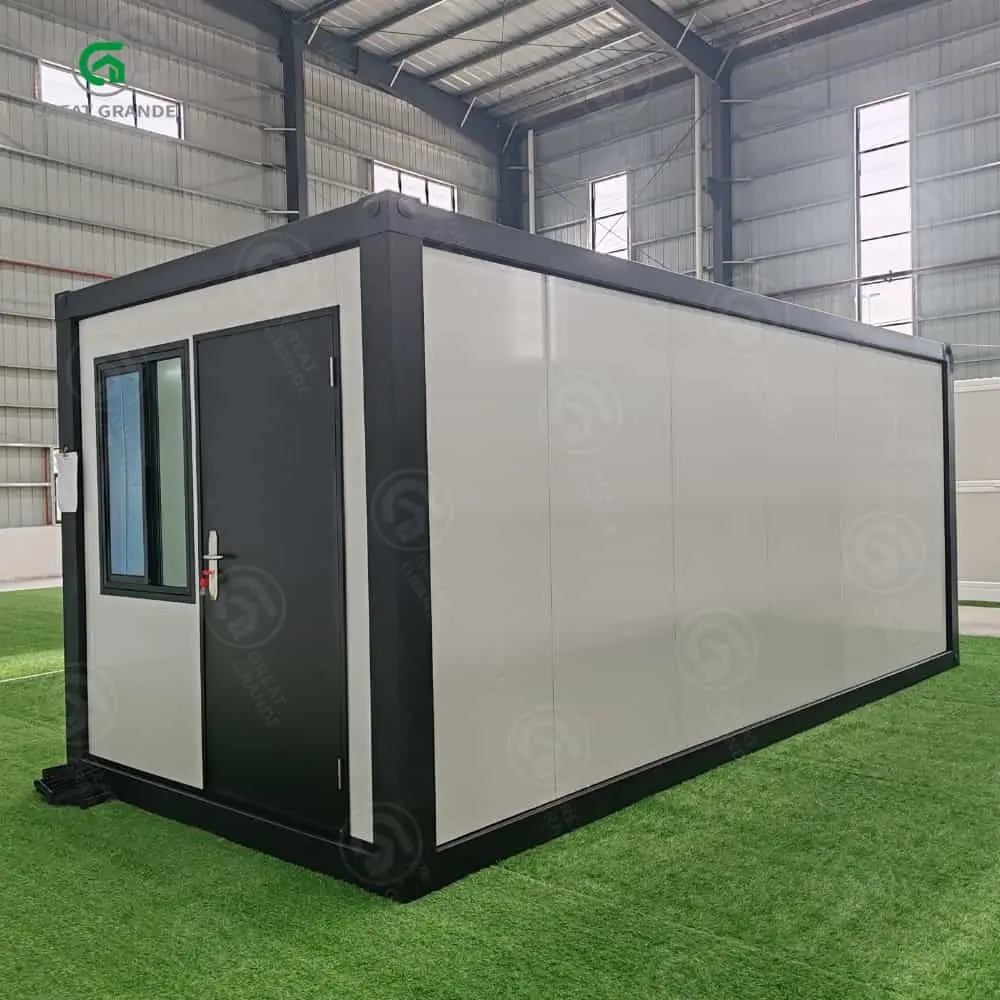
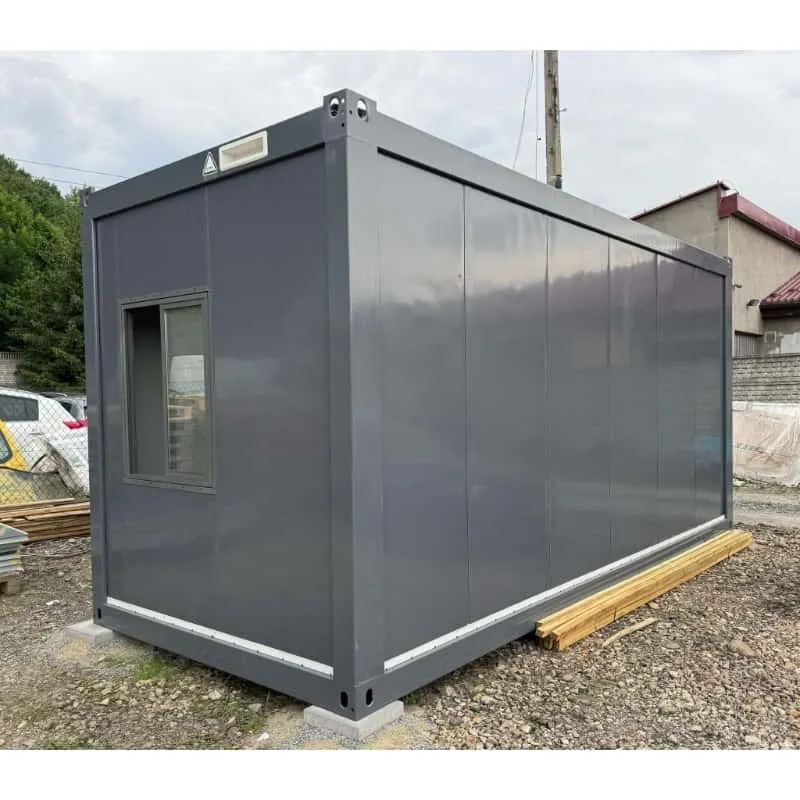
Grande Modular Housing (Anhui) Co., Ltd. has manufactured modular and foldable housing solutions since 2014. With 10,000 m² of production space and an annual production capacity exceeding 350,000 m², the company provides modular housing solutions for different project requirements. Understanding the structural features of a flat pack unit can help buyers evaluate its long-term performance before purchasing.
Modular container house solutions are suitable for projects that require flexible layouts, efficient installation, and adaptable space planning. Depending on the selected configuration, these units can serve as offices, accommodation facilities, or other project buildings. Their practical design also makes structural quality and reliable connections important considerations for long-term use.
What Factors Affect the Durability of a Flat Pack Container House?
Several factors determine how well a flat pack container house performs over time:
- Steel frame quality and structural design
- Corrosion protection and exterior coatings
- Roof drainage and joint sealing
- Wall panel materials and installation quality
- Foundation preparation and site conditions
- Local climate and routine maintenance
These factors work together to protect the structure from corrosion, moisture, and wear. A well-designed unit also benefits from factory-prepared components, which help maintain consistent assembly and connection quality.
Galvanized Steel Frame and Folding Structure
The steel frame is the main load-bearing component of a flat pack container house. Grande’s product design uses galvanized steel square tubes, which provide structural support while helping resist corrosion. The protective zinc coating reduces direct exposure of the steel to moisture and other environmental factors, although damaged coatings still require attention.
The folding structure is another important feature. Its Z-shaped design supports assembly, disassembly, and transportation, making the unit suitable for projects that may require relocation or repeated use.
When evaluating a unit, buyers should confirm the steel specifications, connection design, protective coating, and applicable load requirements. These details are more useful for assessing durability than appearance alone.
Corrosion Protection and Waterproofing
Corrosion often begins around joints, fasteners, exposed edges, and areas where moisture accumulates. Galvanized steel and suitable exterior coatings help protect the structure, while properly sealed connections reduce the risk of water entering vulnerable areas.
The roof and drainage system are particularly important. Grande’s flat pack container house design features a top drainage structure and downspouts embedded in the supporting square tubes. These components help direct rainwater away from the roof and foundation, reducing the risk of standing water and prolonged moisture exposure.
For long-term performance, buyers should also check:
- Whether roof seams and panel connections are properly sealed
- Whether drainage outlets remain clear
- Whether exterior coatings show scratches, peeling, or rust
- Whether sealant around joints remains flexible and intact
In coastal or high-humidity environments, regular inspections are especially important because moisture and salt exposure can accelerate corrosion.
Wall Panels and Insulation
Wall panels influence indoor comfort, moisture protection, and overall building performance. The appropriate panel material depends on the project’s climate, insulation requirements, fire-safety standards, and budget.
| Wall panel type | Main consideration |
| Rock wool | Fire resistance and sound absorption |
| EPS | Lightweight construction and cost considerations |
| PU / polyurethane | Thermal insulation performance |
These materials have different properties, and the available options depend on the selected model and configuration. Buyers should confirm the actual panel type, thickness, and relevant performance specifications before placing an order.
Regardless of material, properly installed panels and protected edges are important for reducing moisture penetration and maintaining the condition of the interior.
Installation and Foundation Conditions
Even a well-manufactured flat pack container house can develop problems if it is installed incorrectly. An uneven foundation may place unnecessary stress on the frame and connections, while poor site drainage can expose the bottom structure to prolonged moisture.
Before installation, the foundation should be level, stable, and suitable for the unit’s design and intended loads. Assembly should follow the manufacturer’s instructions, with particular attention to structural connections, roof joints, and sealing points.
For projects in areas with strong winds, heavy rainfall, or other demanding weather conditions, buyers should confirm the required structural specifications and anchoring arrangements for the site.
How to Maintain a Flat Pack Container House
Routine maintenance helps identify minor problems before they lead to costly repairs. A simple inspection schedule can cover the most important structural and weatherproofing components.
| Inspection area | What to check |
| Roof and drainage | Blockages, standing water, loose fasteners, and damaged seals |
| Steel frame | Scratches, rust spots, and coating damage |
| Wall panels | Loose connections, damaged edges, and visible gaps |
| Doors and windows | Hardware condition and worn rubber seals |
| Interior | Damp marks, water stains, and signs of moisture |
| Foundation | Standing water, uneven settlement, or soil erosion |
If paint is damaged, the affected area should be cleaned, any surface rust removed, and a suitable protective coating applied. Cracked sealant should also be replaced promptly to help prevent water intrusion.
For units that are transported or relocated, the frame, folding connections, panels, and sealing points should be inspected before and after movement.
Suitable Applications
With its reusable structure and convenient transportation, a flat pack container house can support a variety of applications, including:
- Construction site offices and meeting rooms
- Worker accommodation and dormitories
- Temporary classrooms and project facilities
- Storage rooms and equipment shelters
- Residential and other modular building projects
The appropriate application depends on the selected configuration, local building requirements, and site conditions. For long-term accommodation, buyers should pay particular attention to structural specifications, insulation, ventilation, foundation design, and applicable safety standards.
Why Manufacturing Quality Matters
Durability begins during production. Consistent steel processing, reliable connections, suitable protective coatings, and accurate component assembly all contribute to the performance of a modular building.
Grande Modular Housing (Anhui) Co., Ltd. offers modular and foldable housing solutions designed around practical assembly, transportation, and reuse requirements. Its product design combines galvanized steel square tubes, a Z-shaped folding structure, and integrated roof drainage features to support convenient installation and ongoing use.
When selecting a flat pack container house manufacturer, buyers should evaluate more than the initial purchase price. Steel specifications, corrosion protection, drainage design, component quality, and installation guidance all affect the product’s long-term performance. Reviewing these details before ordering helps buyers choose a configuration that matches their project requirements and expected service conditions.
Following the manufacturer’s installation instructions and maintaining the unit regularly can help preserve its performance and improve long-term value
Conclusion
A flat pack container house can be a durable and practical building solution when its frame, folding connections, waterproofing, and installation are properly managed. Galvanized steel construction helps resist corrosion, while an effective drainage system and well-sealed joints help protect the structure from moisture.
Before purchasing, buyers should verify the specifications of the selected model, assess the requirements of the intended site, and establish a regular maintenance plan. These steps help support reliable performance during everyday use, transportation, and relocation.
FAQs
1. How long does a flat pack container house last?
Its service life depends on the frame, materials, installation quality, climate, and maintenance. Buyers should check the stated service life of the specific model rather than assume that all units have the same lifespan.
2. Is a flat pack container house rust-proof?
No steel structure is completely rust-proof. Galvanized steel and suitable protective coatings help resist corrosion, but damaged surfaces and exposed connections should be inspected and repaired when necessary.
3. Can a flat pack container house be used in rainy areas?
Yes, provided the selected model has suitable drainage and waterproofing for the local conditions. Roof drainage, sealed joints, and proper site preparation are particularly important in areas with heavy rainfall.
4. Does a flat pack container house require regular maintenance?
Yes. Periodic checks of the roof, drainage outlets, steel frame, wall connections, and door and window seals can help identify problems early and reduce the risk of more extensive repairs.
5. Can a flat pack container house be moved and reused?
Its folding design supports disassembly, transportation, and reassembly. However, the frame, connections, panels, and sealing points should be checked during relocation, and the unit should be reinstalled according to the manufacturer’s instructions.