




Tabla de contenido
Introducción a las casas plegables
En los últimos años, las casas plegables han pasado de ser una innovación conceptual a una solución de vivienda escalable, cada vez más utilizada en refugios de emergencia, reconstrucción tras desastres, microviviendas y alquileres a corto plazo. Con un diseño modular, fácil transporte y rápida instalación in situ como características principales, estas casas combinan movilidad y prefabricación, convirtiéndose en una innovación clave en la intersección de la construcción y la logística. Hoy en día, la cadena industrial —desde estructuras de acero y paneles compuestos hasta bisagras plegables inteligentes y servicios integrados— está madurando rápidamente, y están surgiendo fuertes señales comerciales en los mercados globales.
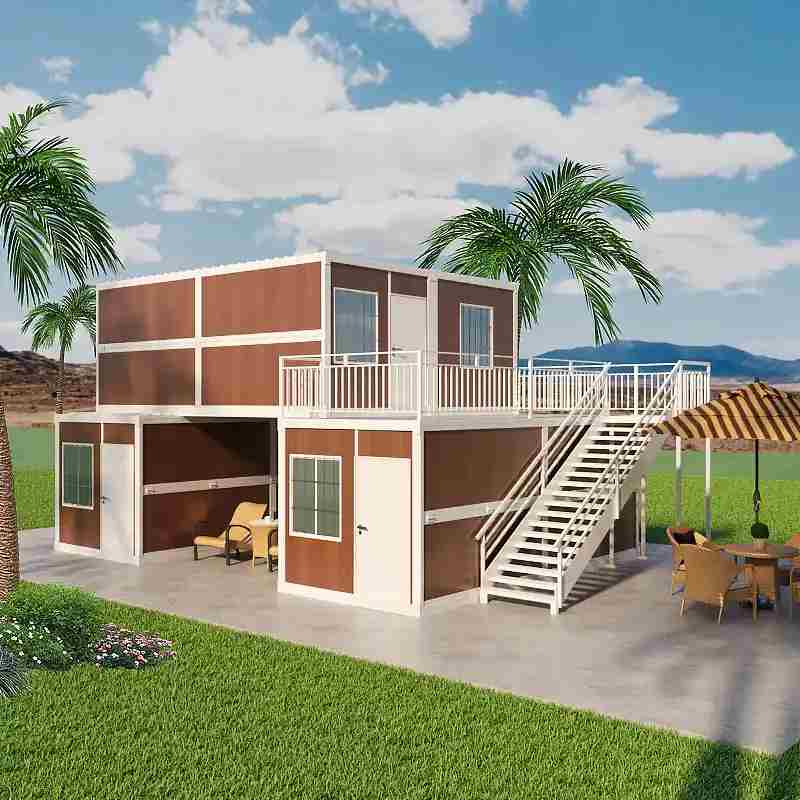
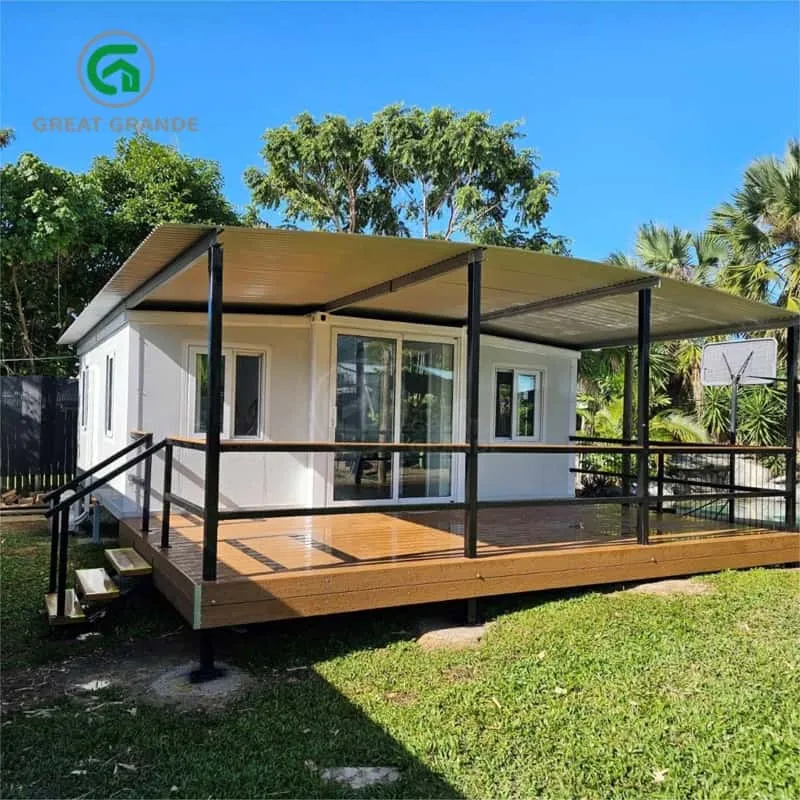
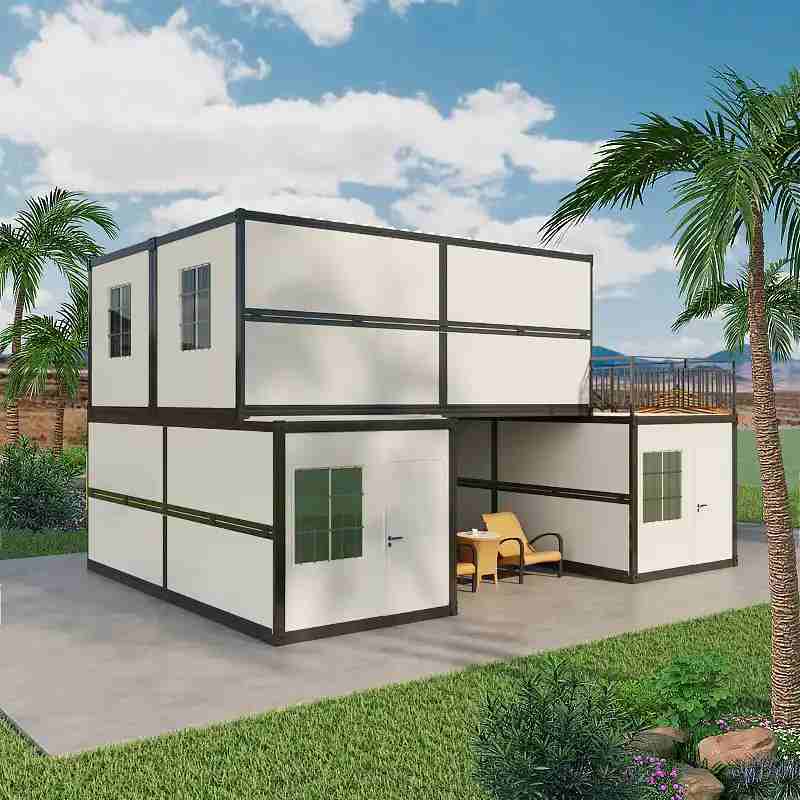
¿Qué son las casas plegables?
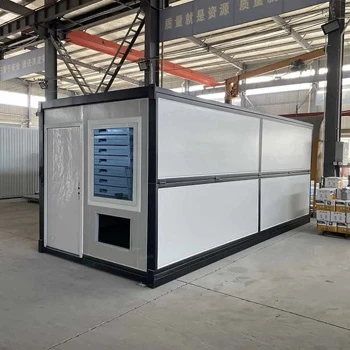
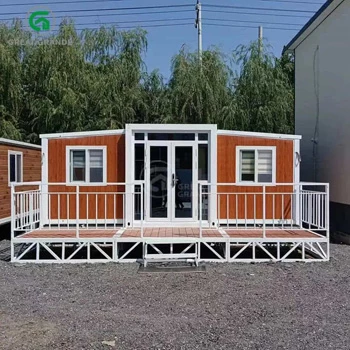
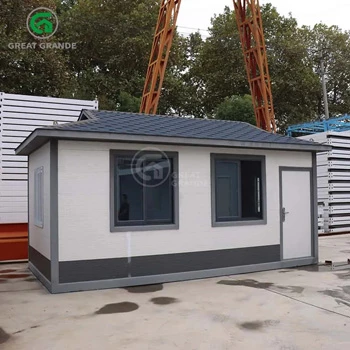
Las casas plegables son unidades de vivienda modulares construidas en fábrica Diseñados para un transporte cómodo y un montaje rápido en obra mediante mecanismos de plegado o expansión. Suelen presentar una estructura estable tras su despliegue, conectores estandarizados, un diseño de transporte apilable y compacto (lo que reduce los costes logísticos) e interfaces integradas para diversos escenarios, como viviendas, oficinas, centros médicos y alojamiento para trabajadores. En comparación con la construcción tradicional en obra, el modelo plegable traslada los procesos clave a un entorno de fábrica controlado, lo que aumenta la consistencia de la calidad y reduce considerablemente el tiempo de construcción.
Tecnologías innovadoras detrás de las casas plegables
Varias tecnologías clave impulsan la industrialización de las casas plegables: materiales ligeros de alta resistencia (paneles sándwich compuestos, estructuras de acero ligero), sistemas de bisagras y cierres de precisión, unidades modulares integradas de fontanería y electricidad, y conectores inteligentes que facilitan una instalación rápida. Además, el modelado digital (BIM), las líneas de producción automatizadas en fábrica y la optimización logística reducen aún más el coste unitario y el ciclo de entrega de las casas plegables prefabricadas. Muchos fabricantes también están integrando materiales sostenibles y sistemas de eficiencia energética para mejorar el valor a largo plazo y el rendimiento energético.
Beneficios de las soluciones de vivienda plegable
Las ventajas de las viviendas plegables son significativas: transporte e implementación flexibles (ideales para emergencias y usos temporales), reducción de residuos in situ gracias a la fabricación en fábrica, menores costos de mantenimiento gracias a los componentes estandarizados y una rápida instalación en zonas urbanas con espacio limitado. Para promotores y proyectos gubernamentales, modelo de casa plegable prefabricada Puede acortar drásticamente los plazos de entrega, reducir la incertidumbre y mejorar el flujo de caja y el control del cronograma.
Impacto ambiental de las casas plegables
En comparación con la construcción tradicional in situ, las soluciones plegables y prefabricadas generan menos residuos y consumen menos energía in situ. La producción controlada en fábrica también mejora la eficiencia de los materiales. Con acero reciclable y materiales aislantes de alto rendimiento, las casas plegables suelen obtener mejores resultados en las evaluaciones del ciclo de vida (ACV). Sin embargo, el impacto ambiental depende en última instancia de la elección de los materiales, la distancia de transporte y la vida útil; el transporte a larga distancia puede reducir algunos beneficios ecológicos, por lo que los planificadores de proyectos deben evaluar la huella de carbono general.
Rentabilidad de las opciones plegables
Los estudios de mercado muestran que la mercado de casas plegables El mercado se está expandiendo rápidamente. Varias instituciones de investigación de prestigio han publicado valoraciones de mercado claras y pronósticos de crecimiento, lo que refleja la creciente demanda e indica que una mayor escalabilidad seguirá reduciendo los costos unitarios. Los datos del sector muestran un crecimiento constante del mercado entre 2024 y 2025 (con estimaciones que aumentan de aproximadamente USD 800-1200 millones en 2024 a aproximadamente USD 930 millones en 2025). Mientras tanto, el sector de viviendas modulares/basadas en contenedores es aún mayor, lo que proporciona una sólida base industrial para el segmento plegable.

Posibles desafíos en la adopción
A pesar de sus ventajas, la adopción a gran escala de casas plegables aún enfrenta desafíos: el cumplimiento de los códigos de construcción locales, el uso del suelo y las conexiones de infraestructura (especialmente para viviendas de larga duración), la percepción del consumidor sobre la calidad y comodidad de las casas prefabricadas, y la adaptación a los mercados financieros y de seguros. Además, la madurez de la cadena de suministro (bisagras de alta calidad, paneles compuestos) y la capacidad de producción en masa afectan la fiabilidad de las entregas y la estabilidad de precios.
Tendencias del mercado e interés del consumidor
Dos tendencias clave definen actualmente la industria:
- Expansión a nivel empresarial, impulsada por plataformas—formando sistemas de circuito cerrado que abarcan el diseño, la fabricación, la logística y la instalación.
- Apoyo de capital y políticas-con empresas líderes en viviendas modulares viendo aumentar la inversión y las ofertas públicas, mientras los gobiernos introducen incentivos para promover la construcción prefabricada.
Estos acontecimientos, reportados por medios como Reuters, indican que el potencial comercial del mercado de casas plegables está siendo validado tanto por los mercados de capital como por las políticas nacionales.
¿Son las casas plegables el futuro?
La respuesta depende del caso de uso. En viviendas de emergencia, oficinas temporales, alojamientos turísticos, campamentos de trabajo y proyectos urbanos de rápido despliegue, los sistemas plegables y... casa plegable prefabricada Las soluciones ofrecen claras ventajas en cuanto a costo y velocidad, lo que las hace propensas a generalizarse en estos segmentos. Para el uso residencial a largo plazo, su adopción más amplia dependerá de la evolución de las regulaciones, las herramientas de financiamiento y la percepción pública; sin embargo, a medida que mejoren la durabilidad y la comodidad, se espera que estas barreras disminuyan gradualmente.
Acerca de Grande-House
Fábrica de casas contenedor Grande Ofrecemos casas contenedor versátiles y sostenibles, asequibles y adaptables. Construidas con materiales de alta calidad, estas casas son duraderas, energéticamente eficientes e ideales para refugios temporales, asistencia en desastres, obras de construcción y comunidades residenciales. Priorizamos la excelencia en el servicio al cliente, brindando soluciones personalizadas y un soporte integral posterior a la instalación, todo ello con un enfoque en la sostenibilidad y las prácticas ecológicas.